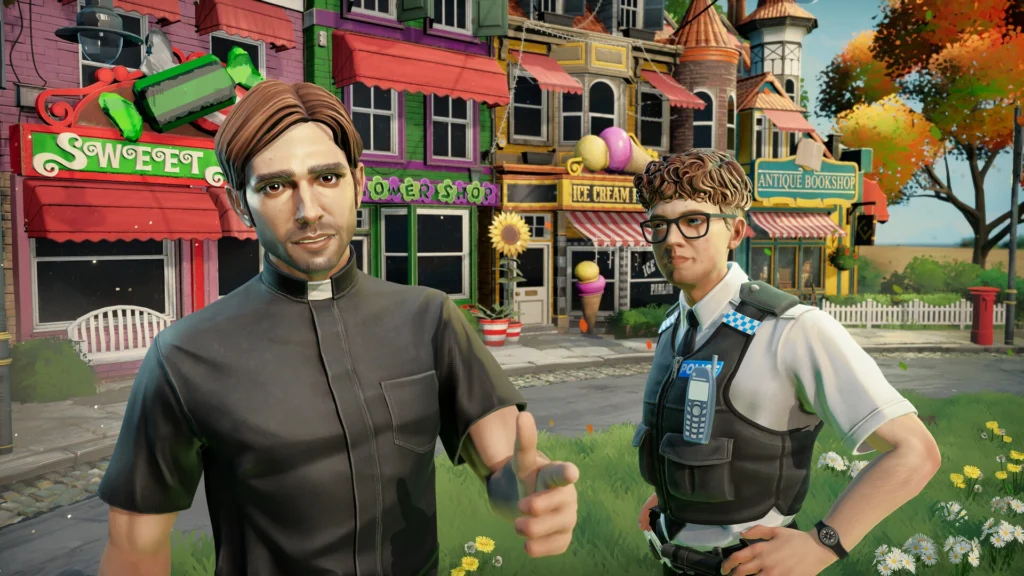
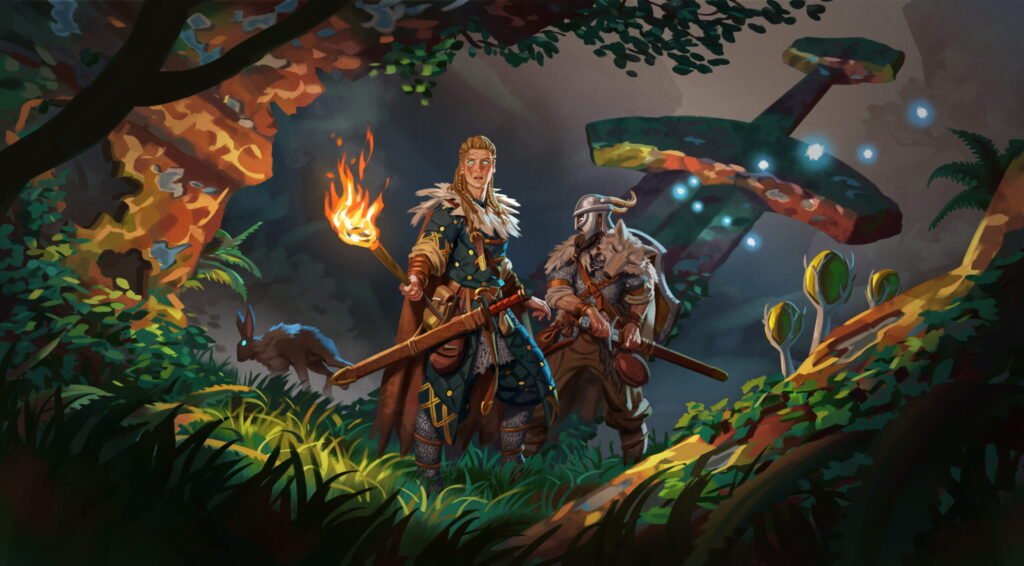
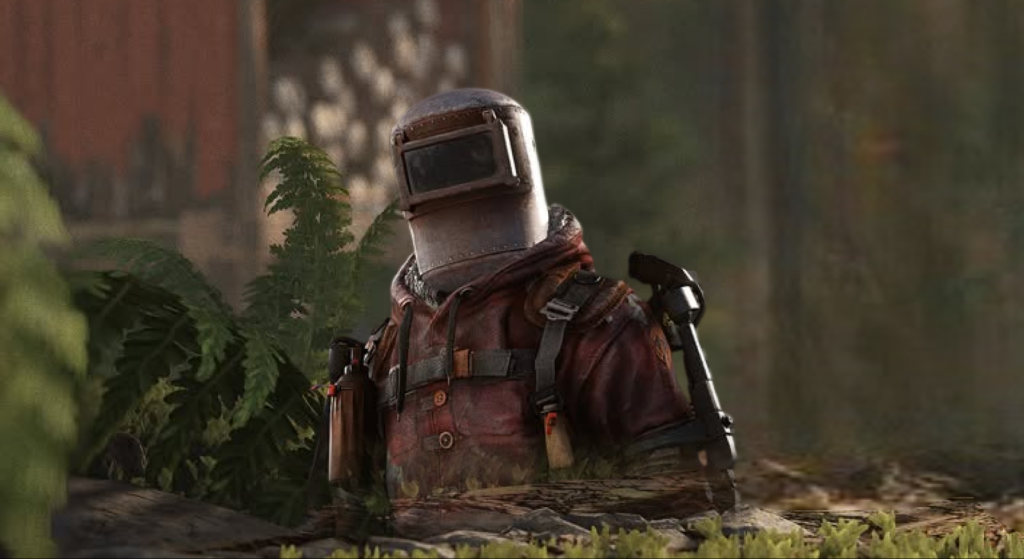






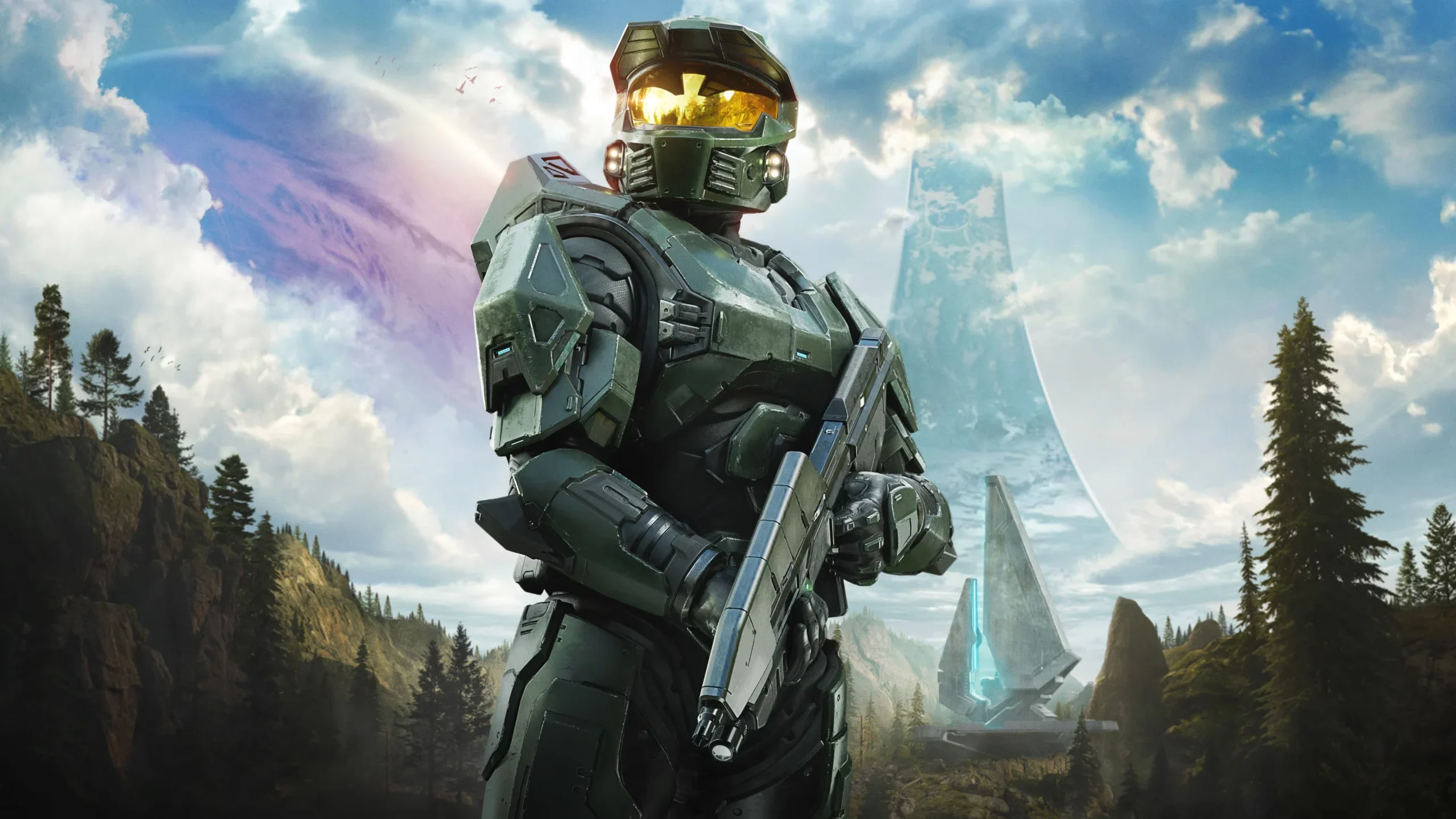
Halo's multiplayer history is closely tied to Blood Gulch, the iconic map from the original game. Its open canyon layout, vehicle combat, and Capture the Flag matches helped make it a memorable multiplayer experience. Over the years, the map returned in several Halo titles and was recreated by communities in other games, including CS:GO and Fortnite.
The map also became a central part of the web series Red vs. Blue, created by Burnie Burns. Its popularity extended beyond the original Halo community, with Bungie bringing it back in subsequent entries and players recreating it in Halo Infinite after the addition of Forge.
The iconic map first became a regular multiplayer destination for the writer and his friends after they discovered Halo's four-player split-screen mode. Before that, their gaming sessions had largely revolved around GoldenEye on the Nintendo 64. Halo introduced them to a different kind of multiplayer experience through Capture the Flag, giving teams a shared objective beyond simply shooting each other.
The layout of the map also offered opportunities for different approaches. Its two bases sat at opposite ends of a large open canyon, with vehicles such as the Warthog and Ghost providing additional ways to move across the battlefield. The Red team had access to a ridge suitable for sniping, while the Blue team was closer to a tunnel system. Both teams could use either route, creating opportunities for different strategies.
The introduction of the Xbox System Link Cable allowed multiple consoles to connect for multiplayer sessions. The writer and his friends organized gatherings that brought together people from their church for 4v4 matches. Up to four Xbox systems could be connected, supporting as many as 16 players.
These sessions included Capture the Flag matches, sniper encounters around Sniper's Rock, and vehicle battles involving the Scorpion tank. The group also experimented with different settings, including disabling vehicles during some of their earlier 2v2 matches.
When Halo 2 launched, the group reunited during the holidays to play Coagulation, its remake of Blood Gulch. The sequel introduced additions such as energy swords and Banshees, changing some aspects of the original map's balance.
Blood Gulch continued to appear in later Halo games, including community recreations in Halo Infinite. Its influence also reached other shooters, with versions appearing in CS:GO and Fortnite. The map's connection to Red vs. Blue further established its place in Halo's wider gaming culture.
In 2018, Halo: The Master Chief Collection received a System Link update, allowing the writer and his friend Josh to organize another LAN gathering around the series. Although the group had since grown older and taken different paths, they reunited to play together again. Despite the availability of Bloodlines, a remake of Coagulation, Blood Gulch remained their preferred choice for Capture the Flag.
The original map continues to represent an important part of Halo's multiplayer history, even as the franchise moves into a new era. With Halo: Campaign Evolved revisiting the original campaign and the series' future set to be under Activision's direction, Blood Gulch remains one of the defining parts of the franchise's multiplayer legacy.
Be Part of It


Share Comment
Share Comment
Share Comment
Share Comment
Share Comment