








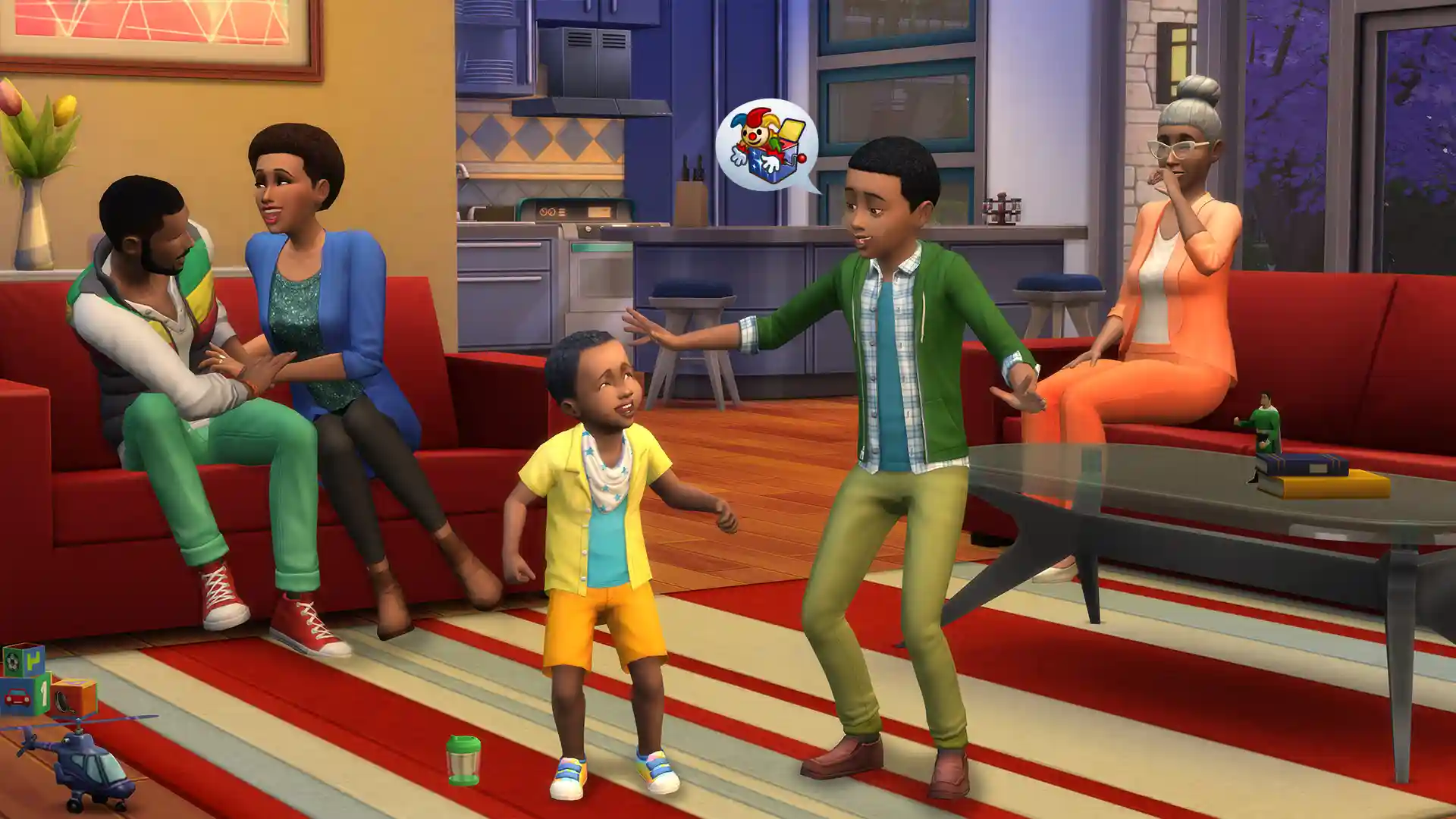
EA has paused development on Project Rene, also known as Project Lotus, the long-teased next entry in The Sims franchise. The decision comes as the company shifts resources toward Project Evergreen, rumored to be a refreshed version of The Sims 4 designed to include most of its DLC and address long-running technical issues.
EA says the move reflects its commitment to the long-term future of The Sims, but the wording has done little to reassure fans still reeling from the closure of BioWare and the cancellation of the next Mass Effect game. Still, for many Sims players, pausing Project Rene may be the better outcome.
Project Rene appeared to be another attempt at an online, mobile-friendly version of The Sims, a direction EA has repeatedly explored without lasting success. Many players worried it would repeat the mistakes made during The Sims 4’s development, when the game was initially built around online and mobile play before being reworked into a more traditional life simulator.
That early pivot left The Sims 4 with a foundation that many longtime players felt limited its depth and stability. Despite more than 100 DLC releases and ongoing bug-fixing efforts, the game is still frequently criticized for feeling less complete than The Sims 3.
Project Evergreen is rumored to focus on preserving and improving The Sims 4 rather than replacing it with another experimental online project. If it delivers a more stable, content-complete version of the game, it could address one of players’ biggest frustrations: the need to spend roughly $1,600 on individual DLC packs to feel like they have the full experience.
EA has not confirmed exactly what Evergreen will include, how it will be priced, or whether it will change the franchise’s heavy reliance on add-ons. But the reported shift in priorities suggests the company may be trying to return to the core appeal of The Sims: building homes, creating characters, and playing out everyday stories without constant online requirements.
Pausing a project fans did not ask for is not the same as announcing The Sims 5, and EA’s broader restructuring leaves little room for complacency. The publisher’s new ownership has already made major cuts to legacy franchises, and The Sims’ future will likely depend on whether Evergreen can satisfy both longtime players and EA’s commercial expectations.
Still, focusing on a stable, complete version of The Sims 4 is a more player-friendly direction than another attempt to turn the series into an always-online mobile platform. For now, it is the clearest sign that EA may finally be listening to what Sims players have been asking for.
Be Part of It