





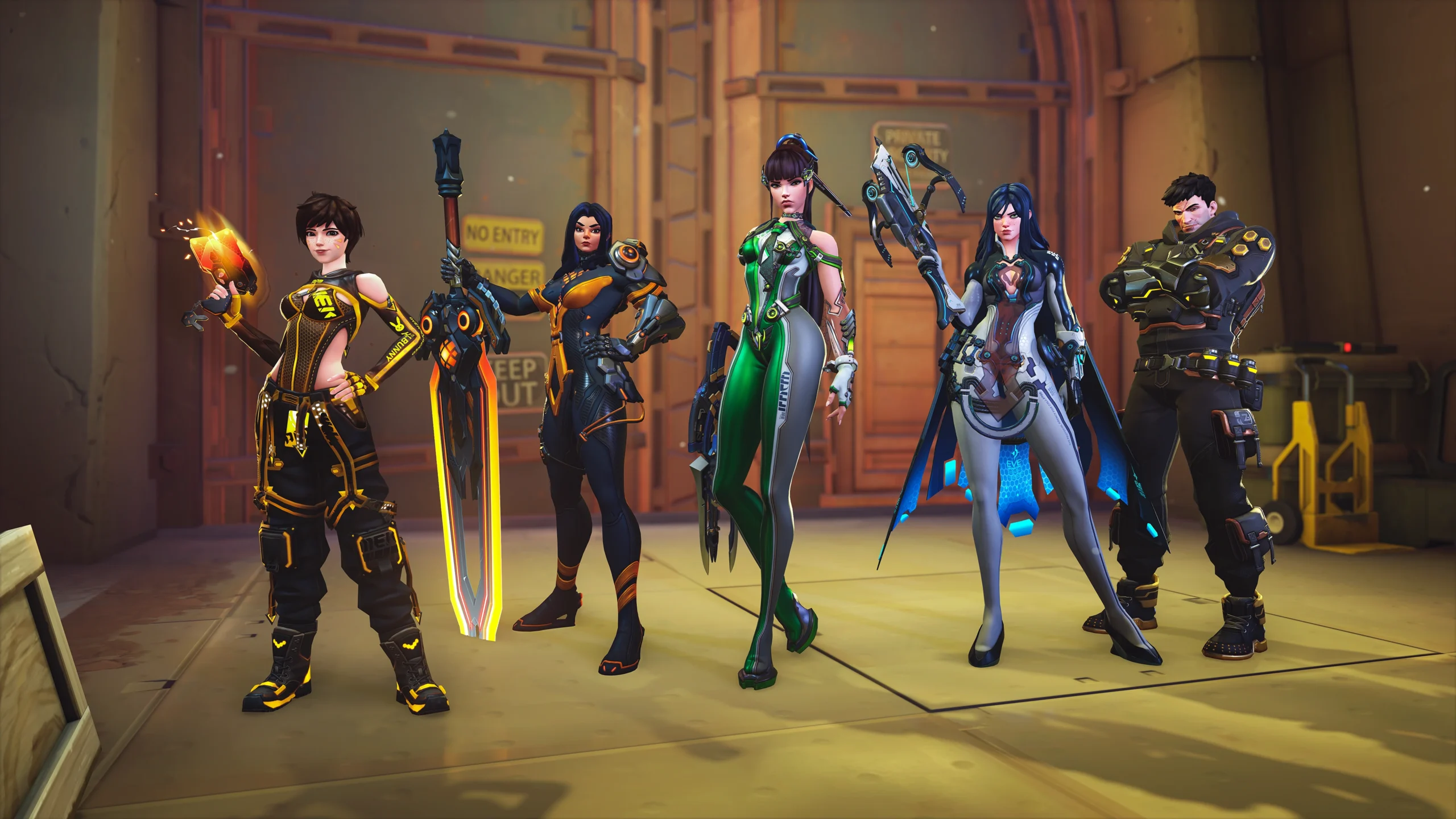
Overwatch's cosmetic distribution has long been a point of discussion among players. With a roster of 54 heroes and more characters on the way, ensuring everyone receives an equal share of new skins is a challenge. The situation becomes even more complicated when certain heroes are significantly more popular than others.
As a free-to-play game, Overwatch relies heavily on cosmetic purchases, including individual skins and bundles, to generate revenue. Creating these cosmetics also requires considerable time and resources. As a result, the development team needs to consider which characters are most likely to attract buyers when deciding what to create.
Game director Aaron Keller explained that introducing new content, whether heroes or maps, affects how development resources are distributed across the game.
This creates two main groups of heroes that regularly receive new cosmetics. The first includes widely played characters such as Ana, Genji, and Soldier: 76, who appeal to a large portion of the player base.
The second group consists of heroes with particularly dedicated fan communities. Characters like Mercy, Kiriko, Juno, and Widowmaker have loyal followings, with players who regularly invest in new cosmetic releases.
However, the developers also recognize the importance of giving less established characters their moment in the spotlight.
Team 4 has been working to expand its capacity to produce cosmetics for newer additions to the roster. Characters such as Anran, Freja, and Vendetta have already appeared in recent cosmetic collaborations, showing that the team is making an effort to spread its attention beyond the most commercially successful heroes.
According to Keller, the team has managed to create more cosmetics than those strictly needed to generate revenue. However, financial considerations remain an important part of the process.
The approach is something of a balancing act. Cosmetics for popular heroes help generate revenue, allowing the developers to dedicate resources to characters whose skins might not attract the same number of purchases.
One of the clearest examples of this approach can be seen in the game's Mythic skins.
Overwatch typically releases two Mythic skins each season. Keller explained that one is generally designed for a hero expected to generate significant commercial interest, while the other often goes to a character that has received fewer Mythic skins or cosmetic releases recently.
This strategy gives less frequently featured heroes more opportunities to receive premium cosmetics without overlooking the characters that help support the game's business model.
The developers acknowledge that cosmetic distribution matters to players and understand why some communities feel their favorite heroes deserve more attention.
At the same time, creating skins requires financial and creative resources. Team 4 therefore needs to balance player expectations with the practical realities of maintaining a free-to-play game.
Keller emphasized that the team wants to provide as many cosmetics as possible while making responsible decisions that allow Overwatch to continue receiving support in the future.
Although this approach does not guarantee equal treatment for every hero, it offers some insight into why certain characters receive more attention than others. For players waiting for their favorite hero to get a new look, the developers' message is clear: broader cosmetic representation matters, but keeping the game financially sustainable remains essential.
Be Part of It