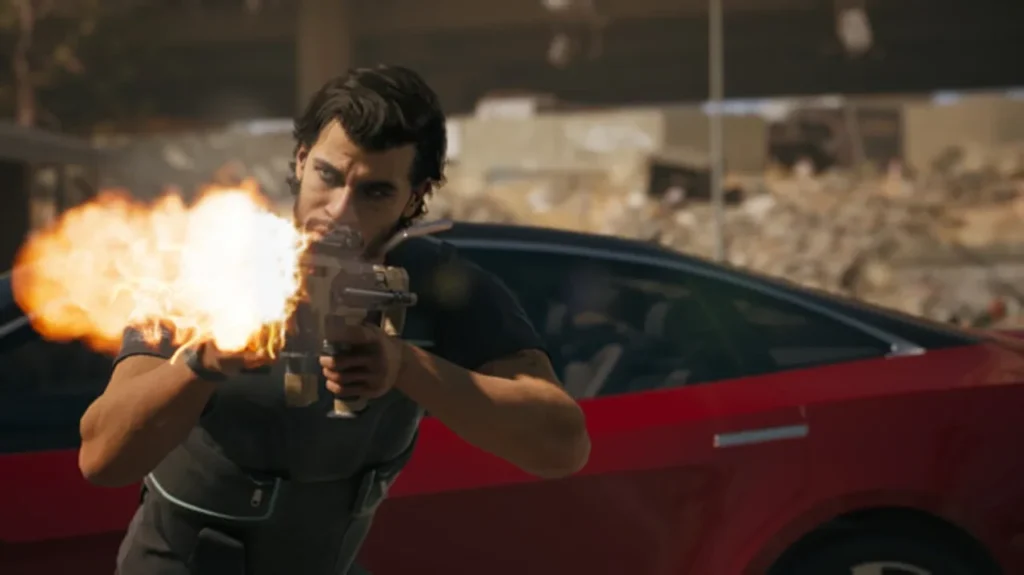
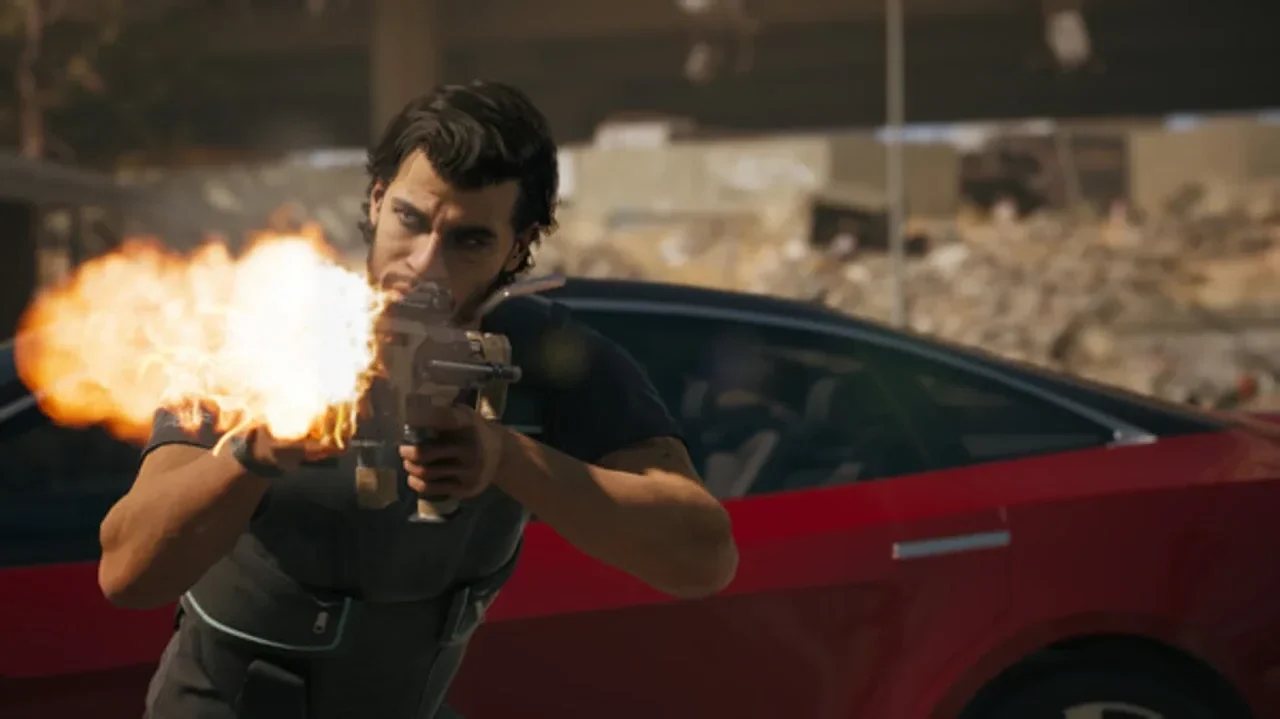
Build a Rocket Boy (BARB), the developer behind MindsEye, is attempting to recover millions of pounds through legal action against several third parties it accuses of contributing to the game's commercial failure. An administrators’ proposal published on the company's Companies House page reveals that the studio owes a total of £61.7 million (approximately $81.2 million).
The document, spotted by RedbullCola on ResetEra and reported by Kotaku, outlines the company's outstanding debts and its plans to recover the money. NetEase accounts for the largest share, with £36.4 million (approximately $47.9 million) owed to the major investor. OpenAI, the company behind ChatGPT, is also listed as a creditor, with £19.90 (approximately $25) outstanding.
MindsEye was originally developed as part of Everywhere, a creation platform led by former Grand Theft Auto design chief Leslie Benzies. BARB eventually shifted its focus to the story-driven action-adventure game, growing to more than 500 employees at its peak.
However, MindsEye struggled following its release in June 2025. Players described the game as "broken," "buggy," and "the worst game of 2025." BARB subsequently acknowledged the problems and promised patches to address performance issues, glitches, and AI behavior bugs.
Following widespread layoffs, Benzies told employees that the studio would recover and relaunch the game. He also blamed internal and external "saboteurs" for some of its difficulties. CEO Mark Gerhard separately announced investigations into what he described as "criminal activity" surrounding the game's launch.
In September 2026, reports emerged that the Edinburgh-based developer faced closure and had entered administration. The latest administrators' proposal outlines how the company intends to address its outstanding financial obligations.
BARB's proposed recovery strategy centers on legal proceedings against several third parties. Earlier in 2026, co-CEO Mark Gerhard claimed the studio had been targeted by corporate espionage and organized sabotage.
Gerhard specifically accused YouTube and TikTok management agency Ritual Network of damaging the company's reputation through a coordinated propaganda campaign. Ritual Network has denied allegations that it organized a $1 million smear campaign against MindsEye.
The administrators' proposal identifies the investigations involving these third parties as "the largest asset of the administration." However, the document also acknowledges that any financial recovery remains uncertain and depends on ongoing investigations, legal proceedings, and asset recovery actions.
The company outlined its position in the following statement, included in the document:
"Prior to the Company's entry into Administration, the directors had been investigating the circumstances surrounding the commercial performance of the video game, MindsEye, which was released in 2025 following significant development investment. The directors formed the view that the game's commercial prospects may have been adversely affected by a coordinated campaign of negative online reviews and commentary.
The directors subsequently received information which they considered suggested the involvement of a number of third parties in organising and funding such activity and commenced litigation against some of those parties.
It is indicated by the directors that any such claims may be substantial in value, although the extent of any recovery remains uncertain and will be dependent upon the outcome of ongoing investigations, legal proceedings and asset recovery actions."
BARB's financial history includes more than £233 million (approximately $306 million) in investment by 2024, according to company documents. NetEase participated in several funding rounds, including a $110 million Series D round in January 2024.
The proposal also follows comments made in May 2026 by Strauss Zelnick, CEO of Rockstar parent company Take-Two. Speaking at the TD Cowen 54th Annual Technology, Media & Telecom Conference, he discussed the difficulties former Rockstar employees have faced when attempting to replicate the company's success.
"Making hits seems to get harder and harder and harder as entertainment industries mature," Zelnick said.
He continued:
"The folks at Rockstar seem to be able to make these massive hits, and lots of other people have tried. Lots and lots, including former Rockstar employees. And so far, they haven't been able to do it."
Be Part of It