


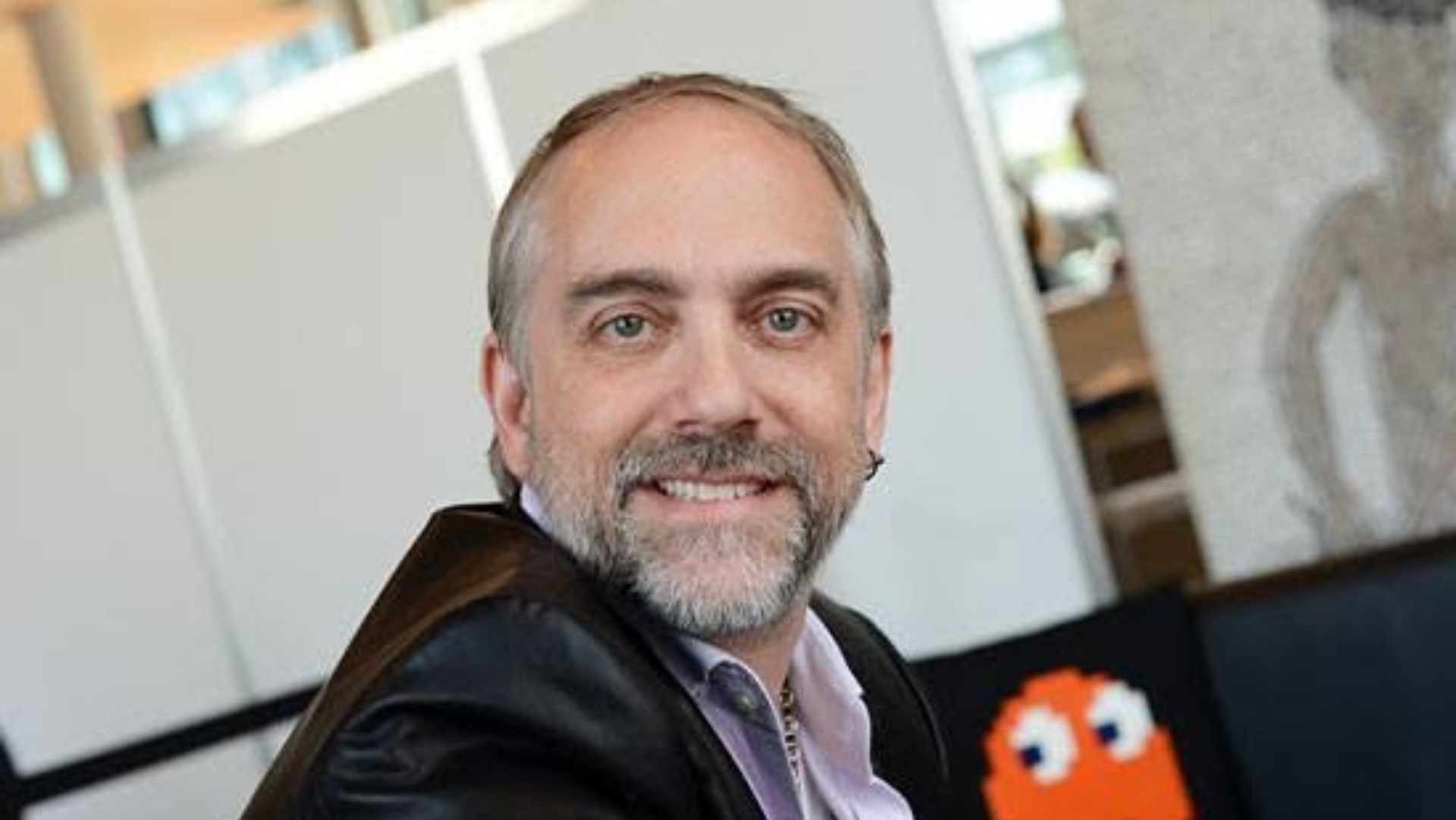
Ultima creator Richard Garriott believes the gaming industry has reached a creative turning point, criticizing publisher decisions and the growing loss of experienced developers.
The video game industry is facing a complicated period, and veteran developer Richard Garriott believes the problem goes much deeper than financial pressures or changing technology. Speaking at a recent panel hosted by the Georgia Game Developers Association, the Ultima creator shared his perspective on the industry's struggles, the loss of creative talent, and the growing number of canceled projects.
Garriott, who jokingly introduced himself as the group's "great-grandpa," explained that several different problems have combined to create the industry's current challenges.
"It's not just one thing," he said, pointing to people who lack an understanding of video games but want to profit from them, political pressures, and other industry-wide complications.
According to Garriott, these issues have gradually come together, making it increasingly difficult for developers and publishers to find a clear path forward.
Garriott also reflected on how technological advancements have influenced game development throughout his career.
He described a recurring pattern in which major innovations encourage studios to focus on showcasing new technology rather than creating deeper gameplay experiences. Past examples include the introduction of CD-ROMs, advances in 3D graphics, and the arrival of online gaming.
During these periods, developers often prioritize demonstrating what the latest technology can accomplish. More meaningful creative experimentation tends to happen in the quieter periods between major technological breakthroughs.
However, Garriott believes the industry has reached a different stage.
"That cycle has been normal," he explained. "But we're at a new one, and this new one is machines are now fast enough to where the bells and whistles are no longer what's important."
With hardware now capable of delivering increasingly impressive visual and technical experiences, Garriott believes developers need to focus on something more fundamental: creativity.
He described the situation as a creative cliff, suggesting that many companies are struggling to determine what should come next. He also highlighted the loss of original creators associated with established franchises, particularly as larger companies have grown and changed.
Without those experienced creative voices, the industry risks losing some of the vision that helped make its most recognizable games successful.
Another major concern for Garriott is how publishers handle development teams and unfinished projects.
Drawing from his experience at Origin Systems, the studio behind the Ultima series, he explained that the company had a very different approach before it was acquired by Electronic Arts in 1992.
"Origin pre-EA, we never cancelled a project," Garriott recalled.
The studio believed that allowing a team to complete a game was valuable, even if the final product did not achieve strong sales.
For Garriott, finishing a project provided developers with practical experience. Teams could learn what worked, understand where they fell short, and use feedback from players and sales performance to improve their next release.
He also argued that canceling projects could damage relationships between developers and publishers.
When a project is canceled, team members may feel that their work was unfairly dismissed. This can create resentment toward management, weaken morale, and potentially lead experienced employees to leave or lose their positions.
Garriott believed that allowing teams to finish their work could ultimately create stronger developers and more capable studios.
The situation reportedly changed after Electronic Arts acquired Origin Systems and took control of its operations.
According to Garriott, project cancellations became far more common following the acquisition.
"We canceled more projects than we completed by a long shot," he said.
His comments offer a glimpse into how development priorities and publisher decisions can influence the creative process behind video games.
As the industry continues to navigate layoffs, canceled projects, and changing player expectations, Garriott's perspective raises an important question: could giving creative teams more room to complete their work help build a healthier and more sustainable gaming industry?
For the veteran developer, technical achievements alone are no longer enough. The next meaningful step forward will depend on the people, ideas, and creative vision behind the games.
Be Part of It


Share Comment
Share Comment