


Riot Games is preparing to shut down League of Legends Classic in January 2027, bringing the experimental game mode to an end just six months after its launch. The mode was designed to bring longtime fans back to an earlier era of League of Legends, but player interest has not been strong enough to justify keeping it available.
The experience rolled back many of the changes introduced since 2013, including newer Champions and their abilities. It also restored an older version of Summoner's Rift, giving players an opportunity to revisit a simpler version of the popular multiplayer online battle arena (MOBA).
However, the nostalgia-driven approach has struggled to maintain its audience. According to Riot, many players have returned to the game's other modes instead.
"We’ve seen a lot of players have fun revisiting the olden days with Classic," a Riot spokesperson explained. "At this point though, most have gone back to other parts of League."
The current season will therefore be the mode's last. Riot plans to put Classic on hold, with the possibility of bringing it back in the future as a limited-time event featuring adjustments and additional content.
Although the mode is approaching its final months, Riot is not abandoning its remaining content plans. Several Champions from earlier versions of League of Legends are still scheduled to arrive before the servers go offline.
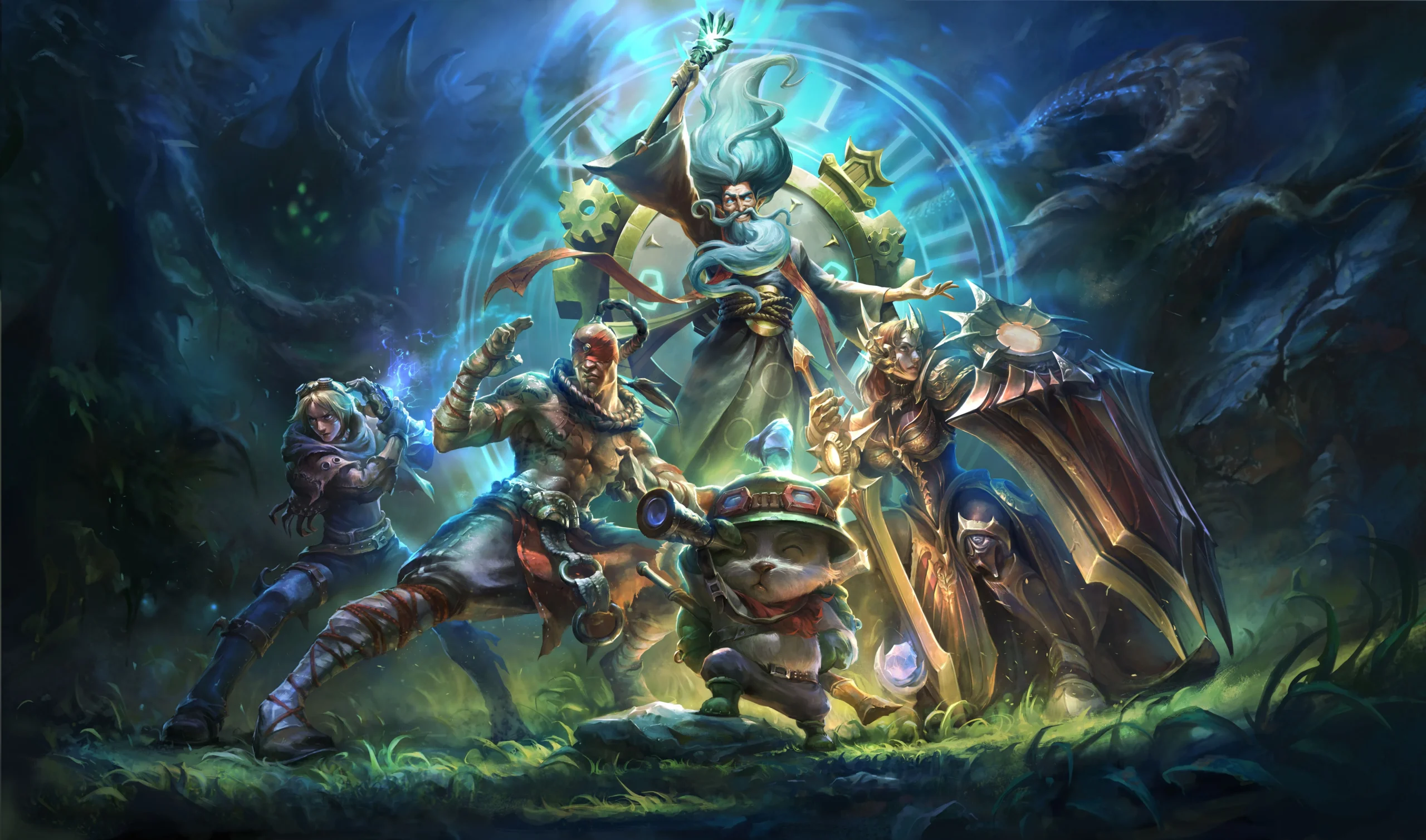
The upcoming 26.21 update is set to introduce Mordekaiser, Yorick, Hecarim, and Lucian. Volibear, Urgot, and Udyr are also expected to join the roster in future updates.
Riot has also confirmed that refunds will be issued for Classic-specific content that becomes obsolete following the shutdown.
The developers described the project as a labor of love, highlighting how players used the opportunity to reconnect with old friends, revisit familiar strategies, and relive memorable moments from the game's history.
The team also thanked the community for its feedback, including social media discussions and votes through the game's Council system. Riot says it will continue exploring different ways to experience League of Legends.
The shutdown raises an important question: why wasn't a return to an older version of League of Legends enough to sustain player interest?
One possible explanation comes from former professional player Alex Chu, better known as Xpecial, who discussed the challenges of launching a nostalgia-focused mode in August.
Chu argued that players have different ideas of what makes League of Legends feel classic. Those who started playing in the game's earlier years might recognize the Champions, items, and warding systems immediately. For newer players, however, the same experience may simply feel outdated rather than nostalgic.
He suggested that the initial excitement surrounding Classic was always likely to fade after launch. Its longer-term potential, he believed, depended on giving the community more freedom to shape the game through unusual balance decisions, experimental team compositions, and other changes that would be difficult to introduce into the main game.
That vision may now be harder to realize, at least in the current form of Classic.
Another factor could be the fundamental difference between League of Legends and older massively multiplayer online role-playing games (MMORPGs).
Games such as World of Warcraft, RuneScape, and Guild Wars can offer players persistent worlds to explore, familiar communities to return to, and activities that become part of their daily routines. Revisiting an older version of these games can feel like returning to a familiar place.
League of Legends, by comparison, is built around competitive matches. Its appeal depends heavily on gameplay balance, mechanical skill, teamwork, and the constant challenge of facing other players. Revisiting an older version does not necessarily recreate the same experience that made it special years ago.
The game's development history also plays a role. In 2013, Riot was releasing new Champions as frequently as every two to three weeks. Those additions could quickly change the balance of the game and how players approached matches.
Traditional MMORPGs generally evolved through larger, less frequent updates, allowing players more time to settle into a particular version of the game. That difference may help explain why nostalgia-driven experiences can resonate differently across genres.
Riot has not ruled out bringing Classic back in another form. The company's current plan is to explore the lessons learned from the experiment, including which elements successfully captured the past and which aspects might have benefited from a more flexible approach.
For now, players have until January 2027 to enjoy the remaining season and experience the final Champion releases.
Although Classic's initial run will be short-lived, its closure does not necessarily mark the end of Riot's efforts to offer alternative ways to play League of Legends. A future event version could provide another opportunity to revisit the game's history, potentially with changes informed by the community's experience this time around.