
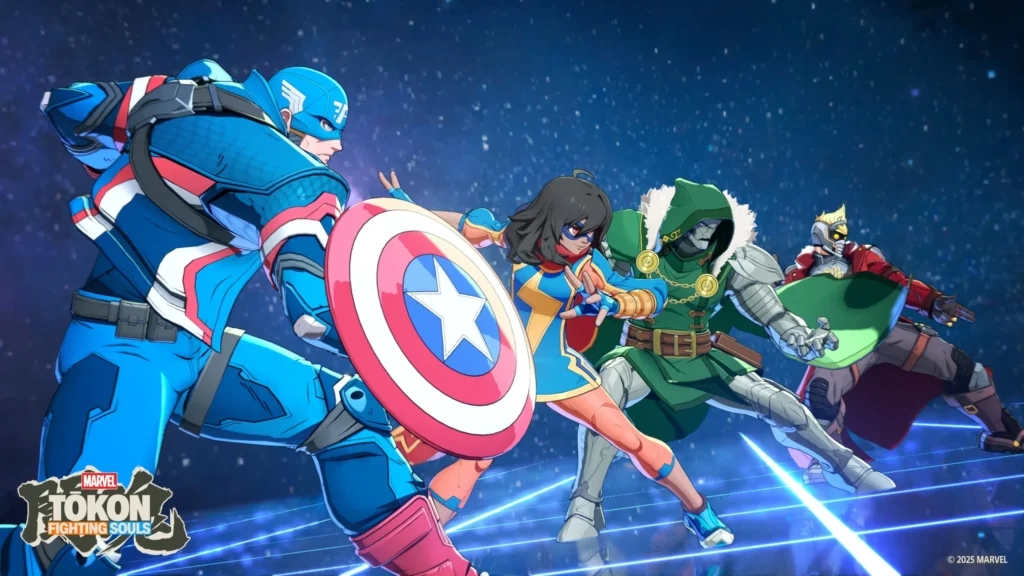

Epic Games has delayed an upcoming video game developed in partnership with Disney and instructed its team to rely more heavily on artificial intelligence, according to people familiar with the project. The game, a shooter featuring characters from Marvel and Star Wars, was previously scheduled to launch in March but now has no announced release date.
The delay comes as Epic pushes to make AI a central part of its development process. According to people familiar with the project, developers were instructed to adopt an “AI first” production model, using tools such as Anthropic's Claude to generate code and artwork, with human developers overseeing and guiding the results.
An internal message reviewed by Bloomberg reportedly told staff that there would be “no more hand-written code” and that all artwork would be produced through fully AI-driven workflows. The directive marks a significant shift for a project that was expected to launch the companies' broader gaming collaboration.
Epic has defended its approach, describing AI as a way to accelerate development while keeping creative decisions in the hands of its developers. Jake Jones, the company's communications director, said Epic was embracing AI-assisted production led by developers who remain responsible for the company's creative direction. Disney had not immediately responded to a request for comment at the time of reporting.
The reported change in development strategy has reportedly surprised some members of the team. During a video call last week, developers expressed concerns about how the company would handle mistakes generated by AI tools, according to people familiar with the discussion.
Some reportedly joked about asking Claude to correct its own errors, while others questioned whether the directive was serious or might eventually be reversed. Their reactions reflect broader concerns within the gaming industry about the reliability of generative AI and the extent to which it can replace traditional development workflows.
AI tools can help developers generate code, produce concept art, and automate repetitive tasks. However, using them across an entire production pipeline introduces additional challenges, including checking outputs for errors, maintaining consistency, and ensuring that the final game meets quality standards.
The reported instruction to use AI-generated code and artwork across the project goes beyond the more limited applications of AI that have become increasingly common in game development. It also raises questions about how much creative control individual artists, designers, and programmers will retain as automated tools take on a larger role.
Epic's stated position is that its developers will continue to guide the process. Whether that model can deliver the expected results on a large-scale commercial game remains to be seen.
The delayed shooter is part of a broader partnership between Epic Games and Disney, announced alongside Disney's $1.5 billion investment in Epic in 2024. The deal gave Disney an equity stake in the privately owned company and established plans for a multi-game collaboration.
The upcoming shooter was expected to be the first major release from that partnership, bringing together characters from two of Disney's most recognizable entertainment franchises: Marvel and Star Wars.
However, development has reportedly progressed more slowly than anticipated. People familiar with the project said Epic underestimated the number of employees and the amount of time required to complete the game.
The delay also comes after Epic announced plans in March to cut 1,000 jobs, citing factors that included slower sales of Fortnite. Against that backdrop, the company's push toward AI-assisted production is likely to attract further attention from developers concerned about the future of their roles.
The combination of a delayed release, workforce reductions, and a more aggressive AI strategy places additional pressure on Epic to demonstrate that its new development model can deliver commercially successful games.
The growing use of generative AI has sparked debate among game developers and players alike. Supporters argue that AI tools can reduce repetitive work, speed up production, and help studios manage increasingly complex projects. Critics, meanwhile, have raised concerns about artistic originality, quality control, job security, and the use of AI-generated material.
Some players have also criticized games that feature AI-generated content, arguing that it can feel less polished or lack the distinctive creative vision associated with work produced by human artists.
Industry attitudes remain divided. A survey earlier this year found that more than one-third of game developers used AI as part of their work, while more than half believed the technology was harmful to the industry.
Epic's reported decision to build a major Disney game around an AI-first workflow could become an important test case for the technology's role in commercial game production. If successful, the approach could influence how other studios balance automation with human creativity. If it struggles to deliver consistent results, it could reinforce concerns about relying too heavily on generative tools.
For now, the game's new release date remains unannounced. The key question is whether Epic can turn its AI-first ambitions into a polished shooter that meets expectations for a collaboration involving Marvel, Star Wars, and Disney.