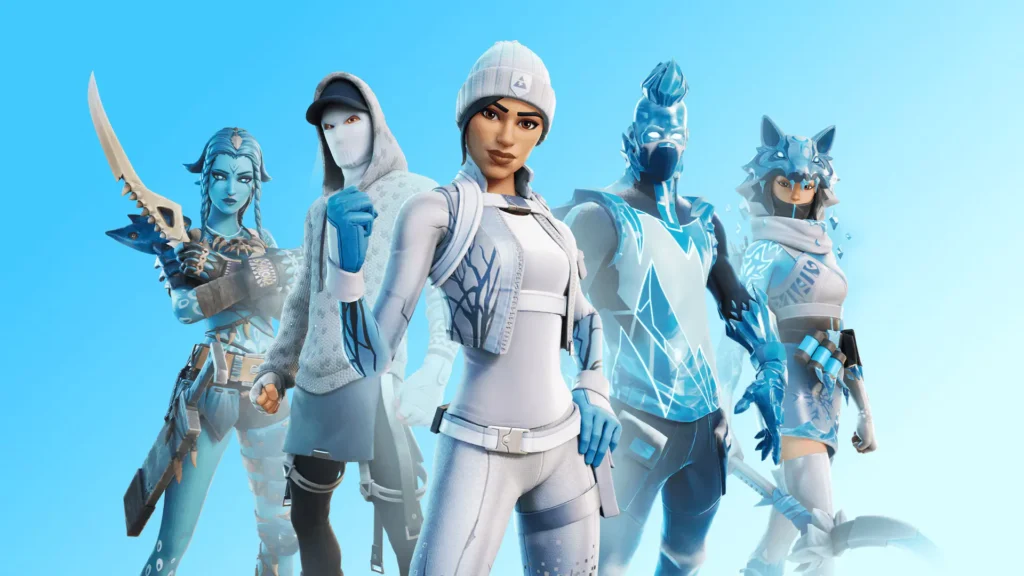





Epic Games, the company behind Fortnite and Unreal Engine, is making a major shift toward artificial intelligence (AI) in game development. CEO Tim Sweeney confirmed the change, saying developers are being redirected to adapt their workflows for what he described as “maximum AI acceleration.”
The announcement comes six months after Epic Games confirmed it would lay off more than 1,000 employees. At the time, Sweeney attributed the cuts to declining engagement with Fortnite, rather than the growing use of AI.
Sweeney addressed the company's changing approach in a series of social media posts. He argued that the goal is not simply to produce the same games with fewer employees, but to give developers the tools to create more ambitious projects and improve the quality of their work.
He described the shift as an opportunity to empower creators, suggesting that AI could help teams produce better code and game content more quickly.
Sweeney also acknowledged the criticism surrounding the move. Responding to concerns that the industry is moving too quickly toward AI, he argued that companies providing tools and technology to game developers must adapt to current developments and prepare for what comes next.
He characterized the increased use of AI as a necessary step for Epic to navigate the broader technological changes affecting the industry.
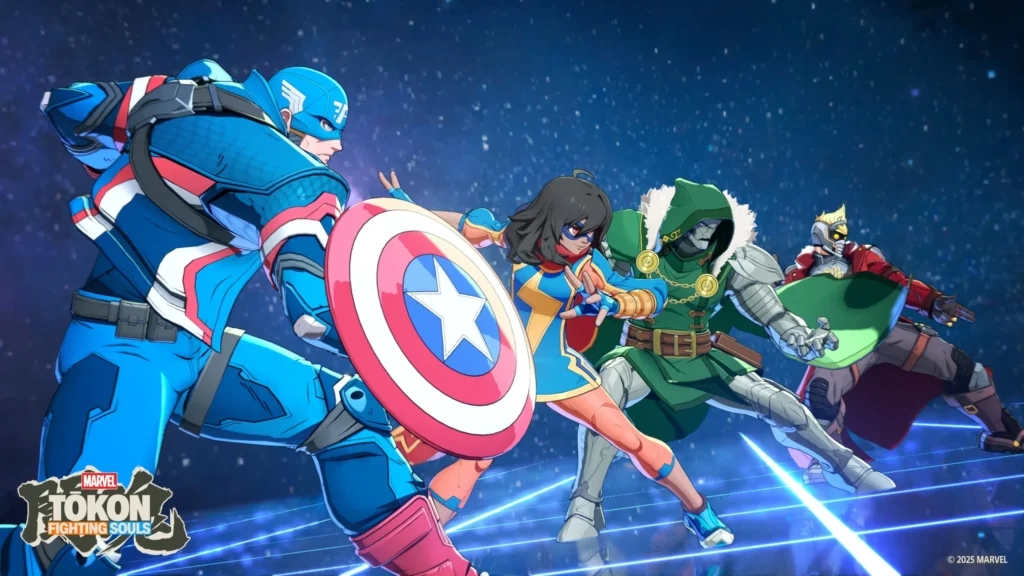
The announcement follows reports that Epic has delayed an upcoming collaboration with Disney featuring characters from Star Wars and Marvel. The project has not yet been formally detailed, leaving its scope and revised release plans unclear.
Reports have also suggested that developers working on the project were instructed to increase their use of AI tools. Alleged changes to the team's workflow include reducing manually written code and relying more heavily on AI-generated artwork.
Epic has not publicly confirmed those specific details, and the exact role AI will play in the Disney project remains uncertain.
The situation has renewed questions about how game studios will balance emerging technology with the expertise of programmers, artists, and other creative professionals.
The growing use of AI continues to divide the gaming community, particularly among people concerned about creative ownership, working conditions, and employment opportunities.
Game designer Lisha Howen, who is not employed by Epic, supports using AI to assist developers but opposes relying on it to replace human artists or generate entire bodies of visual content.
Howen explained that some developers she knows already use AI to assist with coding, while others avoid the technology entirely. She believes fully AI-generated artwork can lack quality and that replacing artists with automated systems could threaten their livelihoods.
Her perspective reflects a broader distinction within the industry: using AI as a supporting tool is not necessarily the same as making it responsible for creative work that would otherwise be performed by people.
Concerns about AI-generated performances have also reached the entertainment industry. In 2025, the actors' union SAG-AFTRA filed a complaint concerning the use of AI to recreate the voice of Darth Vader in Fortnite.
These disputes highlight the challenges studios face as they introduce AI into established creative processes, particularly when the technology affects performers, artists, and other workers whose contributions shape a game's identity.
Despite the controversy, Howen does not expect the increased use of AI to drive away Fortnite's core audience. As a Fortnite livestreamer herself, she believes many players are more concerned with enjoying the game than following the debate surrounding its development.
That does not mean the discussion is unimportant. AI adoption could influence how games are made, how creative teams are structured, and what opportunities remain available to aspiring developers and artists.
For players, the most visible effects may depend on how these tools are used in practice. AI could help studios speed up certain tasks and explore new ideas, but questions about artistic quality, transparency, and human involvement are likely to remain.
Epic's major shift signals that AI will play an increasingly prominent role in its development strategy. Whether that change ultimately benefits both creators and players will depend on how the company puts its ambitions into practice.