








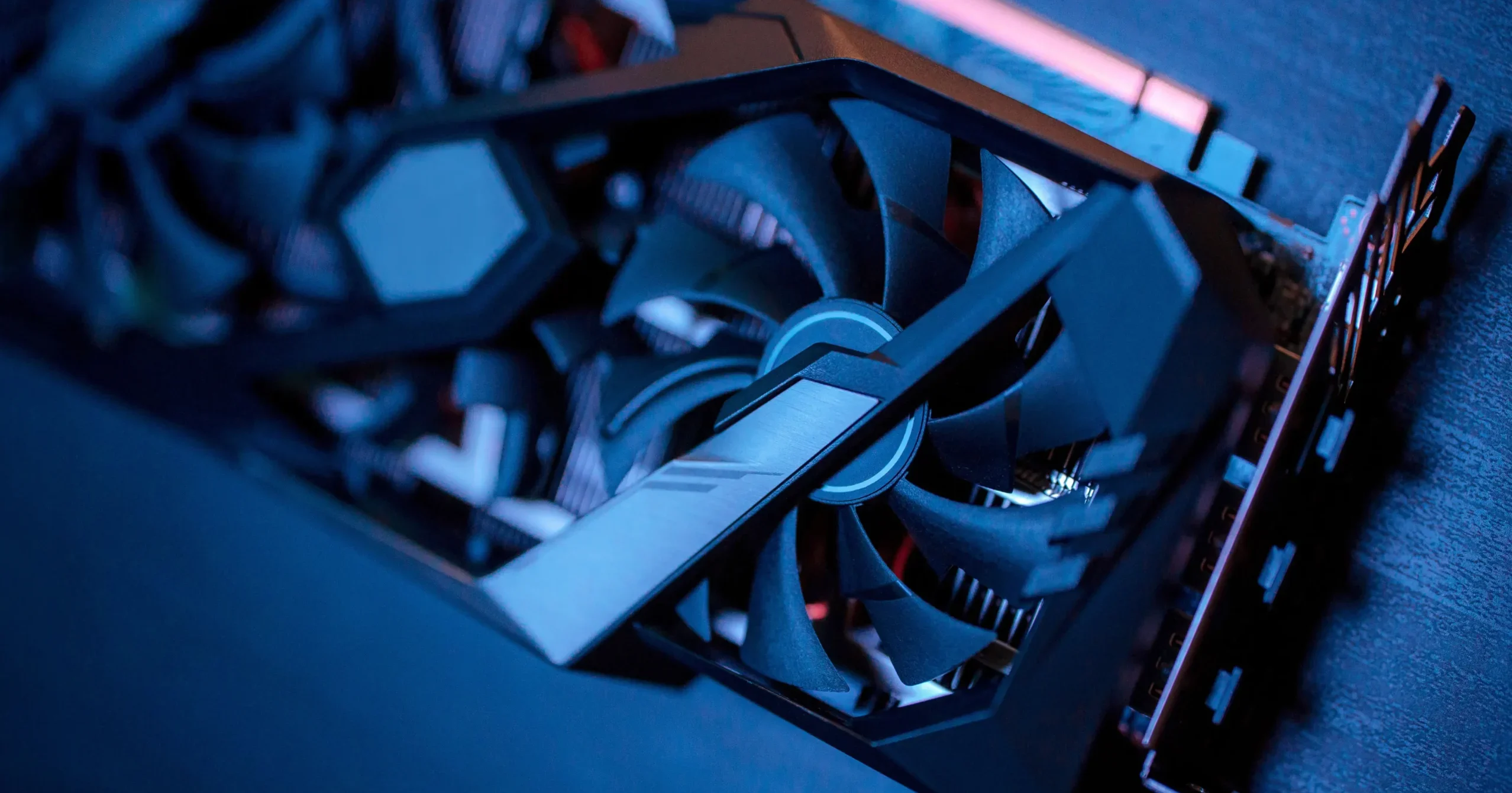
NVIDIA RTX 5090 production may be winding down as the company reportedly shifts its remaining GB202 chip supply toward professional graphics cards for enterprise customers and AI data centers. According to reports cited by the source, insiders hongxing2020 and MEGAsizeGPU claim that NVIDIA has designated its flagship consumer GPU as “end of life.” NVIDIA has not publicly confirmed the reported production change, so the future availability of the GeForce RTX 5090 remains uncertain.
The GeForce RTX 5090 uses NVIDIA's Blackwell architecture and features 32GB of GDDR7 video memory, with a boost clock speed of 2.41 GHz. It launched with a manufacturer's suggested retail price (MSRP) of $1,999. However, the source reports that prices have increased substantially amid an ongoing DRAM shortage, with the cheapest third-party Amazon listing starting at $7,175 at the time of writing.
The reported shift centers on the GB202 chip, which powers the RTX 5090 and is also used in NVIDIA's RTX Pro 6000 and 5000 series of professional GPUs. According to the reports, the remaining supply of GB202 chips may be allocated exclusively to RTX Pro graphics cards intended for enterprise and AI data center workloads.
If the reports are accurate, this could further limit the availability of the RTX 5090 for PC gamers. The source already describes the card as scarce, with gaming and enterprise customers competing for remaining inventory. However, NVIDIA has not confirmed that it is ending production or redirecting all remaining GB202 chips.
The reports also include a claim from hongxing2020 about a potential change to the GeForce RTX 5080. According to the insider, future versions of the card could feature 24GB of GDDR7 memory, compared with the current 16GB configuration. NVIDIA has not confirmed this reported specification change.
The ongoing DRAM shortage has reportedly affected prices across several PC components, including RAM and solid-state drives. The source suggests that a hypothetical RTX 5080 with 24GB of memory could carry a higher MSRP, but no price for such a model has been confirmed.
NVIDIA has faced reported production changes during the shortage before. In December 2025, the company reportedly reduced GPU production to manage costs associated with rising memory prices. The source says that reduced supply, combined with more expensive memory, contributed to higher costs for consumers upgrading their PCs.
For now, NVIDIA has not publicly announced the future of either the RTX 5090 or RTX 5080. Until the company provides further information, the reported end-of-life status of the RTX 5090 and the possibility of a higher-memory RTX 5080 should be treated as unconfirmed.