
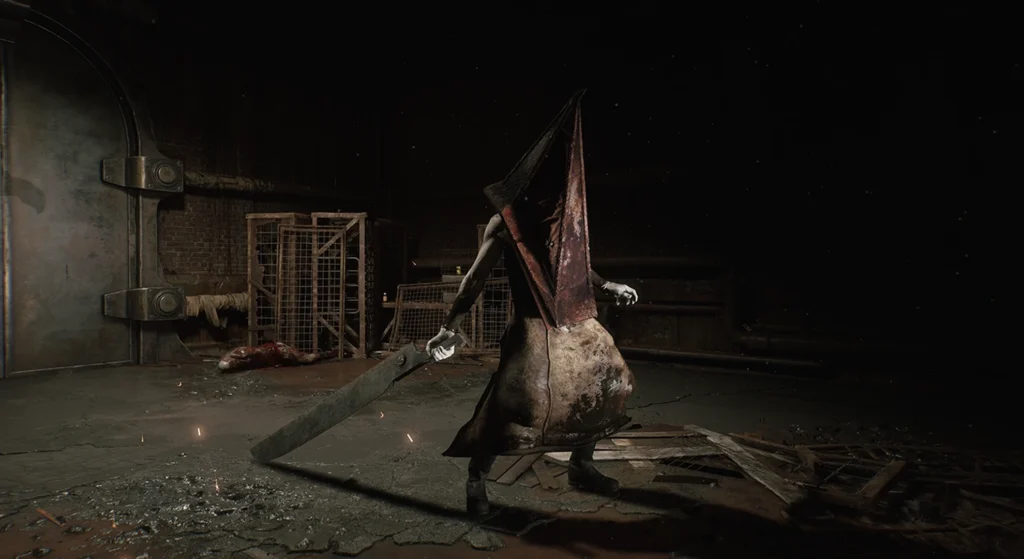
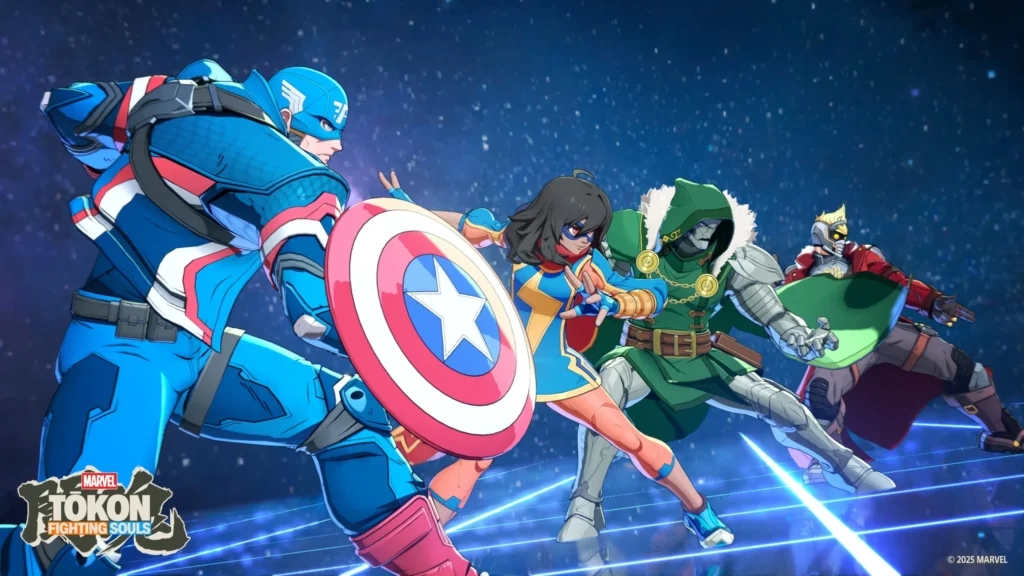





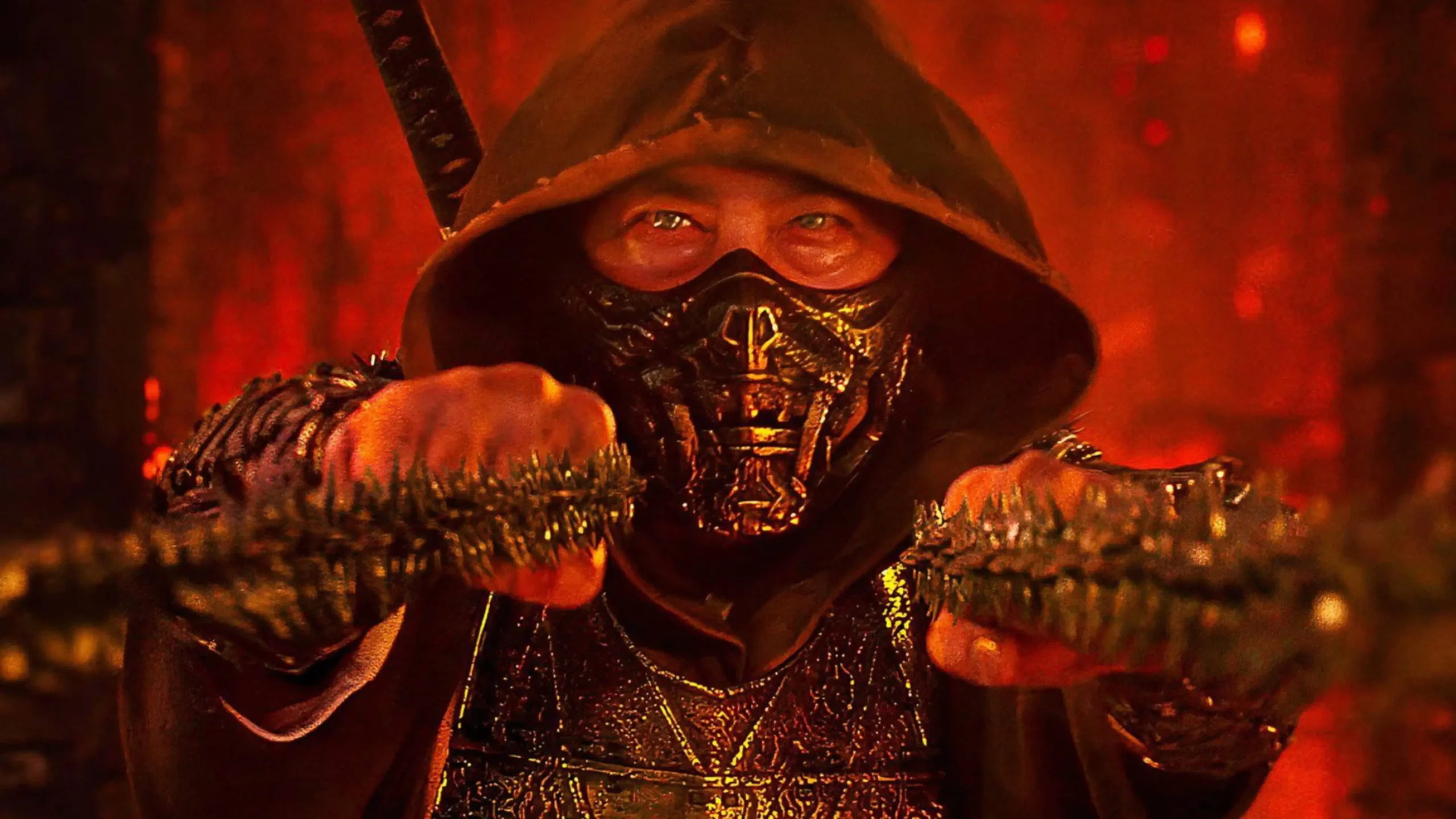
Paramount and Warner Bros. are bringing their gaming operations together under one division following Skydance's $111 billion acquisition of Warner Bros. Discovery. The move creates a larger gaming organization with access to some of entertainment's most recognizable franchises, including Mortal Kombat, South Park, Star Trek, Game of Thrones, and Avatar: The Last Airbender.
The newly combined division will unite Warner Bros. Interactive with Paramount Games Studio, placing a substantial collection of established gaming teams and entertainment properties under one roof. The expanded portfolio also includes DC Comics, opening up opportunities to develop games inspired by beloved superheroes and other iconic characters.
Tony Driscoll, Skydance's president of games and experiences, will oversee the new division. His responsibilities include helping guide the company's gaming operations as Skydance expands its entertainment business beyond movies and television.
The company has emphasized that video games are an important part of its long-term growth strategy. In an internal staff memo, the company's leadership highlighted games, live experiences, consumer products, and publishing as key areas for future investment.
The goal is to build stronger connections with audiences across physical and digital entertainment, giving fans more ways to engage with the stories, characters, and worlds they love.
The merger brings several well-known development studios into the expanded organization. These teams have experience creating games across a range of genres, from action-adventure experiences to fighting games and family-friendly titles.
Among the studios now under the combined division are:
- Avalanche Software: The team behind Hogwarts Legacy, the popular open-world adventure set in the Wizarding World.
- NetherRealm Studios: The developer responsible for the long-running Mortal Kombat fighting game franchise.
- Rocksteady Studios: Known for the Batman: Arkham series, which helped establish a high standard for superhero action games.
- TT Games: The studio behind numerous LEGO video games, bringing familiar characters and accessible gameplay to players of different ages.
Together, these studios represent a diverse collection of creative talent and established franchises. Their combined expertise could give Skydance more opportunities to develop games for different audiences while building on properties that already have dedicated fan communities.
Despite the scale of the acquisition, important questions remain about how the new division will operate. Skydance has yet to fully outline its plans for the combined gaming business, including which franchises will receive priority and how the individual studios will fit into its broader strategy.
Potential layoffs are another concern as the companies integrate their operations. Until more details emerge, it remains uncertain whether the restructuring will affect development teams, ongoing projects, or the number of games released in the coming years.
For players, the merger brings both possibilities and uncertainty. A broader collection of intellectual properties could lead to new cross-franchise opportunities and fresh interpretations of familiar worlds. However, the eventual impact will depend on how Skydance manages its studios and supports their creative direction.
The company's ambitions extend beyond video games. Former Activision CEO Bobby Kotick has joined Skydance's board of directors, adding an experienced figure from the gaming industry to its leadership.
Skydance is also working with Activision on a Call of Duty movie, which is scheduled to arrive in theaters in 2028.
With major gaming studios, established entertainment franchises, and film projects all becoming part of a broader strategy, Skydance is positioning itself to connect its properties across multiple forms of entertainment.
Whether the merger ultimately delivers more ambitious games, new franchise experiences, or significant organizational changes remains to be seen. For now, the consolidation marks a major shift in how Paramount and Warner Bros.' gaming businesses will be managed under their new corporate structure.