


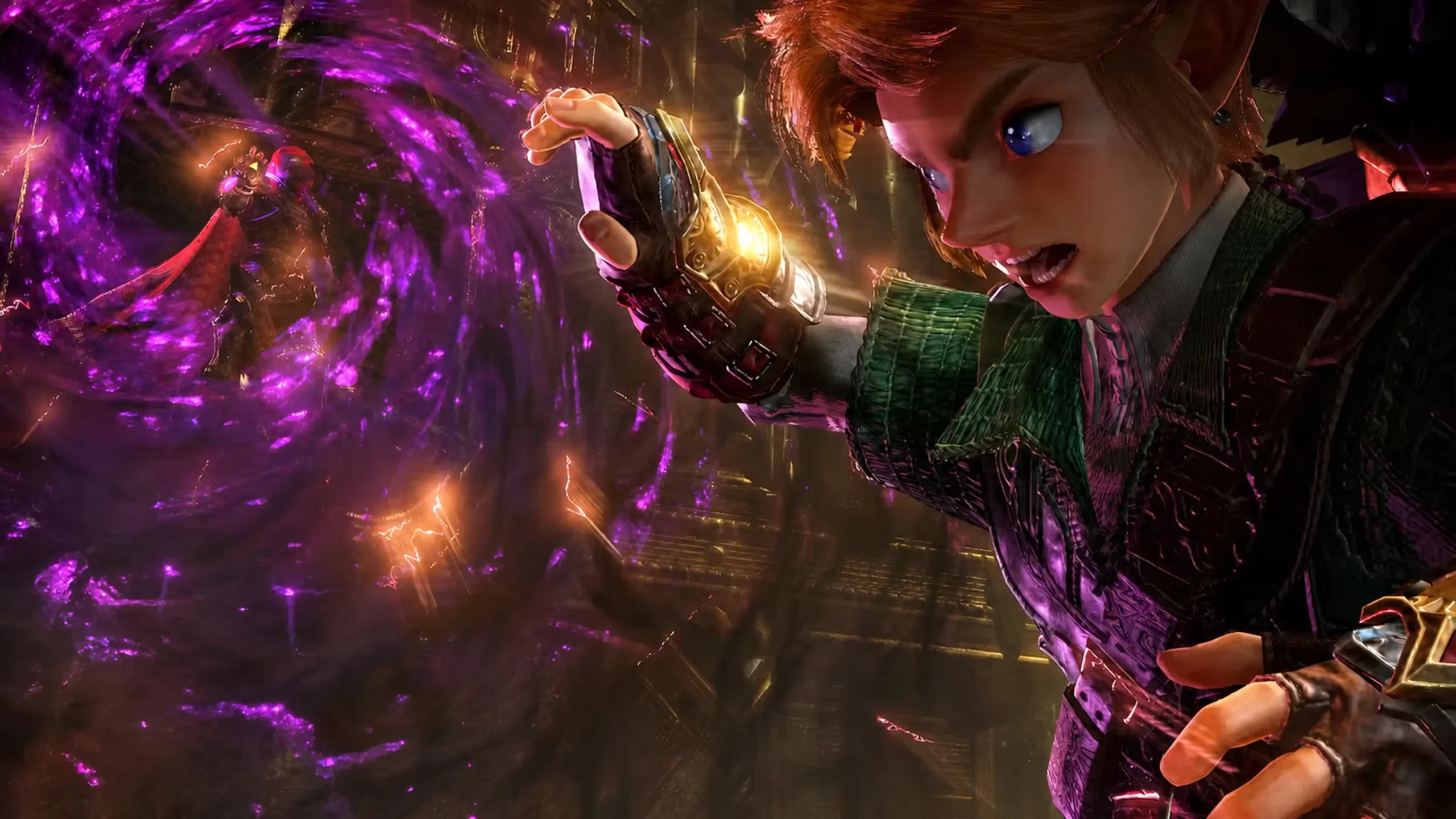
The combat in The Legend of Zelda has always served as a backdrop to exploration and dungeon puzzle solving rather than the primary attraction. While fights in games like The Legend of Zelda: Ocarina of Time posed legitimate challenges for players on the Nintendo 64, decades of replay and muscle memory have reduced iconic encounters like Queen Gohma and King Dodongo to simple routines. With a modern remake introducing enhanced mobility, free camera controls, and fluid combat mechanics, updating the original boss fights becomes a natural next step.
How classic Zelda boss mechanics work?
Boss fights in classic 3D Zelda titles follow a distinct design philosophy centered on dungeon item integration rather than complex combat skill tests:
Item Based Puzzles: Each encounter acts as a final exam for the specific item acquired within that dungeon, such as using the Fairy Slingshot to stun Queen Gohma or bomb bags against King Dodongo.
Predictable Execution Phases: Bosses follow strict attack patterns, vulnerable states, and short health bars that allow players who know the pattern to finish fights without taking damage.
Low Execution Barrier: Unlike modern action titles, classic encounters emphasize identifying the single vulnerable point over dodging rapid combo strings or managing health pools.
Why an expanded combat system needs smarter bosses?
An updated remake improves Link's movement speed, camera fluidity, and attack responsiveness. Leaving original N64 enemy behavior unchanged while giving players modern movement tools trivializes encounters that were already predictable.
Rather than turning the game into an punishing action title, the remake can elevate its encounters by preserving the core item based puzzle mechanics while adding new phases, varied attack timings, and dynamic responses when players attempt to repeat classic speedrun tactics.