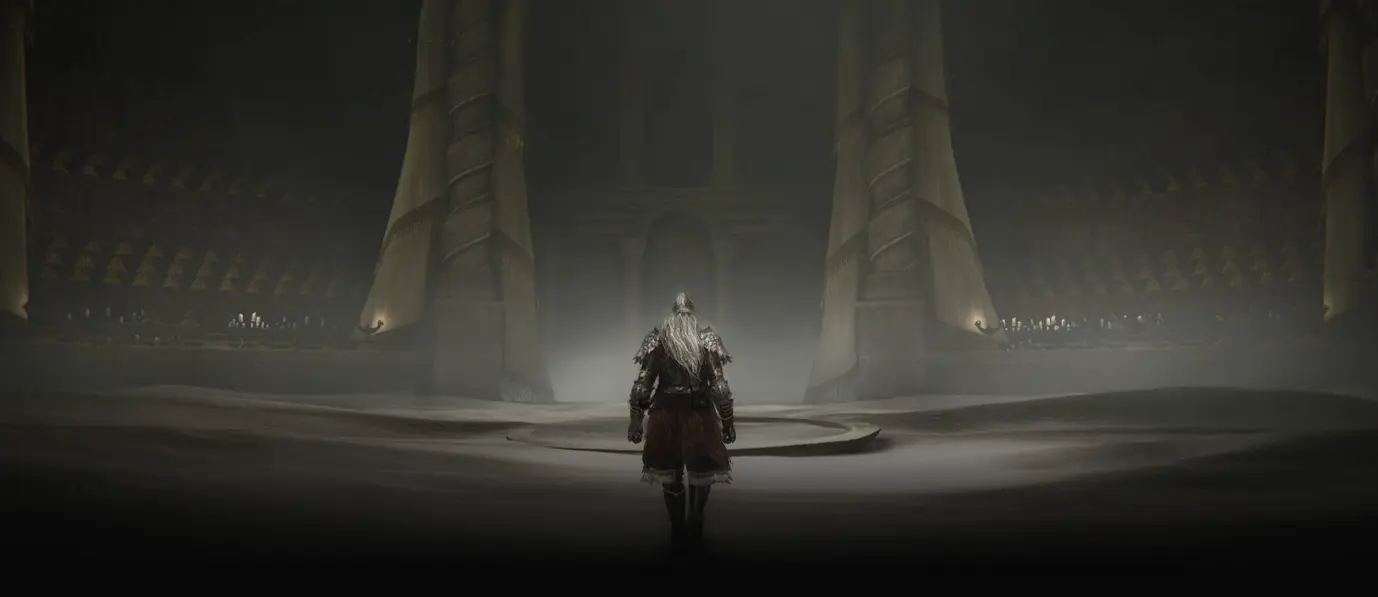
Is Gaming Really Dead?
I get home, open Steam, stare at my library for a good five minutes scrolling through, attempting to find something to play, and then simply close the app without playing anything, often wondering how I can have so many games available and still feel like there is nothing I actually want to play. I have honestly caught myself doing that a lot lately. And it is not even that there are no games to play, it’s quite the opposite actually, like I have a buffet filled with a lot of dishes but nothing on it makes me hungry.
Are games dead? Many games I installed and planned to play later yet that “later” simply never came and games remained untouched, judging me in silence. I used to be the person who would finish a game after a long day or over a weekend, having strong opinions about all genres. That version of me just took a little vacation now, and the guy that stayed is left with a controller in his hand, wandering and waiting for that spark to be ignited again.

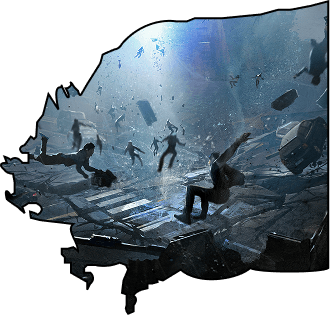
Gaming doesn’t feel the same anymore
A few years ago, this would have sounded insane to me. Back then, there were games I was completely obsessed with. I would think about them at school, watch gameplay videos while eating, and as soon as I get home, I would get back on the game and play. Back then, I could easily spend the entire weekend happily playing the same game I had been playing
all week long and never once felt bored or tired if it. Nowadays, I would see a game and think to myself, “That looks fun.” I install it, then never even play it. I would even see some trailers for a game and be so hyped for its release, and get it as soon as it comes out, and when I finally get it, I play it for two hours, then never open it again.
The online discourse is exhausting
And it is not just me. Lately, more and more people online are saying the same thing. Gaming is dead. Modern games have no soul. Now everything feels manufactured. Every company wants live-service games, and every release turns into drama before the game is even out. And honestly, I get why people are getting frustrated. One minute everyone is hyped about a new release, and a few days later, it is about
performance issues, monetization, layoffs, player counts, review scores or whatever mess happens that week. scores, layoffs, player counts or whatever disaster is happening that week. All of this makes it exhausting to keep up with new games or actually enjoy them. Despite having more games to play than ever, I have never caught myself getting bored this often before.
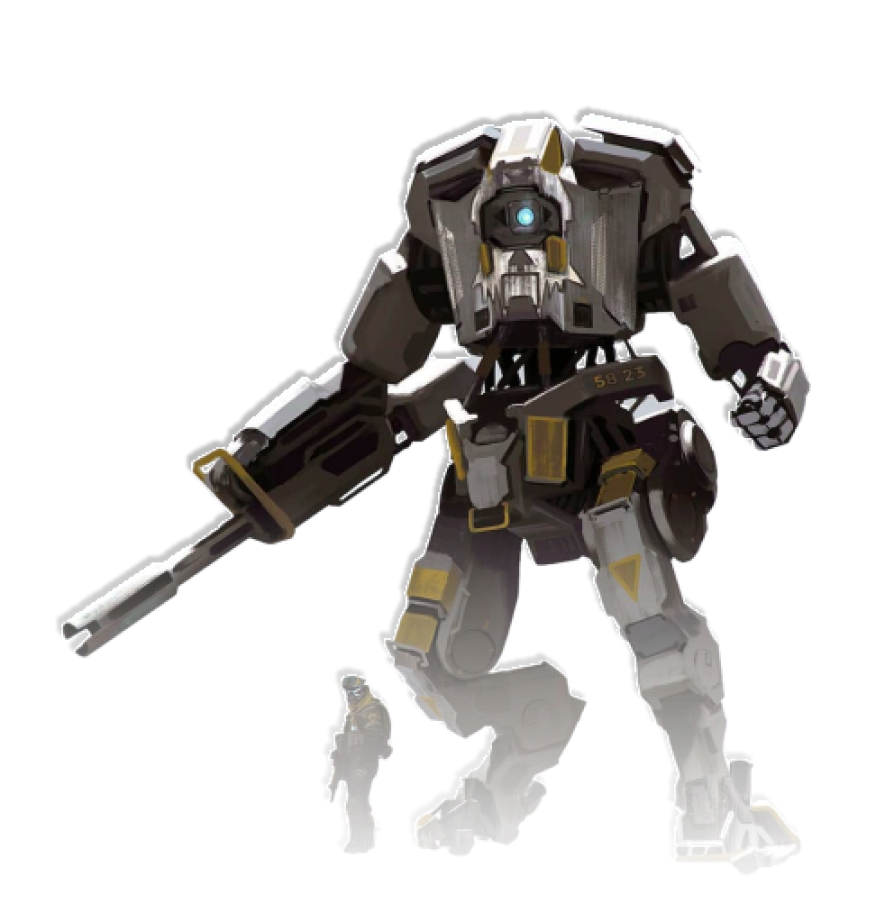
Games feel a lot more corporate
One of the big reasons people think modern gaming suck, or that gaming is dead now, is because of how corporate games feel nowadays. It is like games are made in a meeting room, and not a cool idea that was brought to life. I know it may sound stupid to say. I obviously know games have always been a product and companies have always cared about money; that part is not new. But it just feels so in
your face now. I open a game for the first time and right away I’m bombarded with engagement tools. Battle passes, daily rewards, limited-time events or items, login bonuses, and all that jazz before you even play the game. After experiencing that many times, it feels less like you bought a game and more like you signed up for something.
Every game wants to last forever
Then there is this obsession with live-service games that companies have. Every company wants players staying online for months or even years, constantly grinding challenges, leveling passes, then coming back again the next season to do it all over again. And guess what, all these systems are not random. Many modern games now rely on retention stats,
player data and behavioral research to figure out how to keep players around for as long as possible. This is why many games now revolve around daily objectives, progression systems, timed rewards, streaks, and constant unlocks. The goal is not just getting people to play, but to get them to come back or feel like they missed out.
Games start blending together after a while
And because one successful trend quickly leads to everyone copying it, games start blending together after a while. For a few years, it felt like every game was trying to become a battle royale. Then every company wanted gigantic open worlds then live service games became the next big thing and now
extraction shooters are starting to show up more. Don’t get me wrong, none of these things is bad on its own. Some live service games are genuinely fun and there are so many amazing open-world games. But at a certain point, people get tired when it feels like every company is chasing the same thing.
Is gaming the only thing that changed?
The more I think about it, I start to wonder if gaming is the only thing that changed. When people say that gaming is dead, they usually focus on the industry doing things wrong. The wave of live-service games, the increasingly heavy monetization and the endless discourse. While those gripes are fair, we sometimes forget to realize that maybe it is also because we are
treating our relationship with gaming as if it stayed the same throughout the years, when in reality, it has not. Sometimes people will say gaming feels dead now, and then talk about their favorite games from ten years ago. Not necessarily because those games themselves were actually better but maybe because it was a different time in their life. We still
love games, but we can not say that we still play them the same way we used to. Not every release ecites us anymore. I do not think gaming should be the only thing that gets judged. Most of us might be comparing how gaming feels now to how it felt when we were younger and that is a very hard comparison for anything to win.
nothing feels like the first time
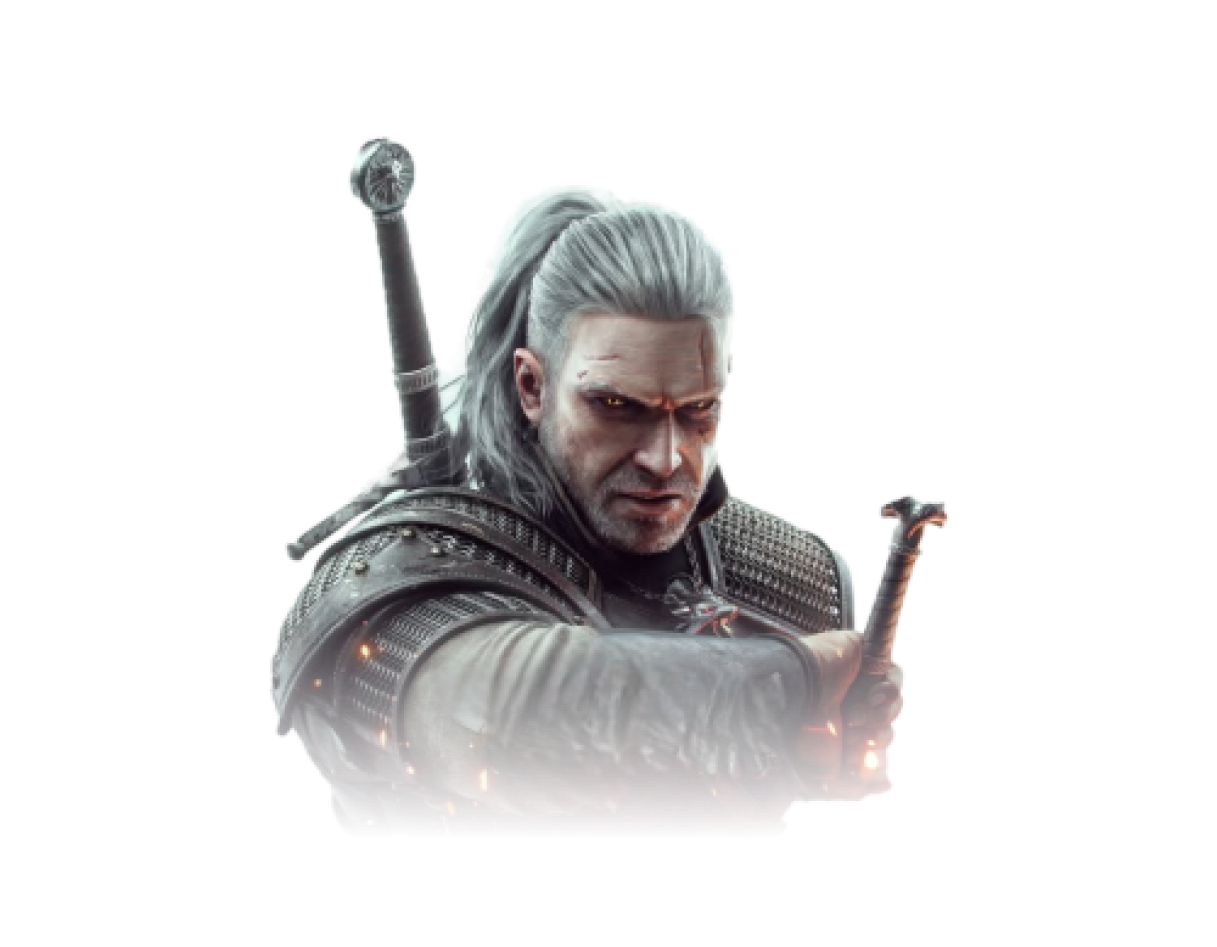
One thing most people fail to consider is how many of their favorite gaming memories were influenced by how new everything was. The first time I played The Witcher 3, the world felt massive. I spent hours just wandering around. The first time I tried playing Counter-Strike, playing against real people was new to me, and it felt completely different from anything I had experienced before. Then there was League of Legends, which got me so frustrated yet somehow managed to completely take over my life to the point
where I was thinking about builds, strategies and champions even when I was off the Rift, then there was Divinity 2. At the time, it made me feel like I was living a second life in a fantasy world. It was the first game that made me feel like I truly was in control, and my character was an extension of me. I started thinking, “Wait, I can actually do that?” however that’s the thing about first experiences, you only ever get them once.
The power of nostalgia
When you have played games for as long as I have, things stop being new. It feels like we have already seen everything at this point, from massive worlds to skill trees, crafting systems, PvP and a lot more things that once felt fresh. These features used to be an edge on whether people would buy a game or not; However nowadays that’s the expected from any game that goes out.
It becomes harder to get that feeling even if a new game comes and does it better because what made it special the first time was the fact that it was the first time. Nostalgia is
just that powerful!
It has a way of making old games feel better than they actually were, just because it was indeed the first time and you can’t compete with that.
When we remember an old game, we are recalling a lot more than just the game itself. Those games were periods of our lives and tied to huge events like making lifetime friends. We recall where we were, who we were playing with, the free time we had, and how exciting everything felt back then.
Growing up changed the way we play
Another thing that changed over time is the way we play games. When I was younger, gaming was not really competing with anything. I would get home from school, do my homework, then spend the rest of the day playing games. If I get stuck, I would keep trying over and over until I figured it out. If a game had a slow start, that’s fine, I have plenty of time.
But now it is much different. Not so much because games changed, but because life did. There are so many things fighting for our attention. You sit down to play a game, then suddenly you get a text or you open YouTube for a minute, and three hours pass by. Before you know it, the time you set aside for gaming is gone.
Too much competition
There were games that I would spend an entire day playing when I was younger without even noticing how many hours had passed. Nowadays, if a game takes too long to grab me, there is a good chance I just move on and play something else. Not because the game is bad, but because there is so little time and so many other things competing for my attention.
Too many options
This might be a hot take, but I think having so many options is also a factor. Back then, if I bought a new game, that was what I played for the next few weeks or even longer. Now I open Steam and scroll through hundreds of games, and still somehow feel like there is nothing to play. Sounds ridiculous, but having too many options can make it harder to commit.
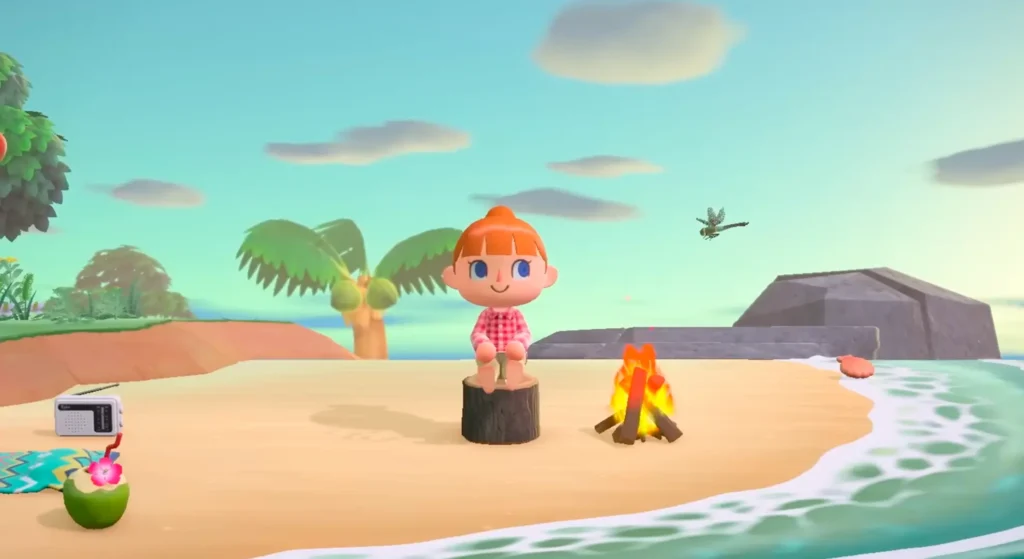
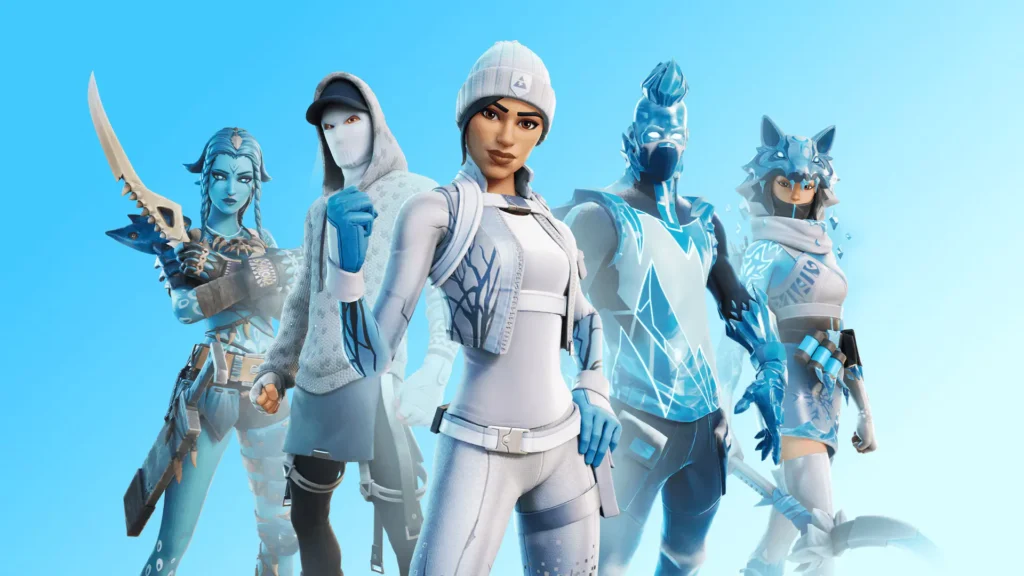
We still see kids today get obsessed with games in the same way we used to. A lot of people are still spending thousands of hours on Roblox, Minecraft, Fortnite, or whatever game has completely taken over their lives. That feeling is still there for them.
The difference is that many of us might no longer experience games the way we could when we were younger. At no point did games actually lose their magic however we now have a different perspective on things.

Our unfair comparisons
Another thing we do that is a little unfair is how we compare average modern games to the best games we played growing up. Nobody is talking about all the forgettable games they played when they were kids. Nobody gets nostalgic about those random games they played for a while, then forgot about.
We remember the great ones, the ones that stuck with us, the games we spent hundreds of hours on, the games that became a part of who we were in
that period of our lives.
The good old times
Now, games aren’t being judged against other games but rather against years of memories, nostalgia and the best experiences we have ever had with gaming. And that is not a very fair competition.
not dead, just different
After considering all these factors, I have realized that calling gaming “dead” might be a bit dramatic. Have a bad experience, scroll through social media, see people complaining about this and that and suddenly it starts feeling like the entire industry is falling apart. But when you stop and think about it, people are still obsessing over games. Your friends are still saying “one more round” at two AM. Full-on communities are still forming around games every single year. New players are still discovering new hobbies every day. Kids are experiencing games that will be their own version of what Divinity was for me.
What throws a lot of us off might be that the gaming landscape looks different from the one we grew up with. Everything is different now. The communities, the games, the discovery, and even the way we talk about games are different now. It is easy to see those changes and mistake them for decline. While I agree with a lot of the criticism that people have, the notion that gaming is “dead” just doesn’t sit right with me.
Frustrating sometimes? Can be. Exhausting? For sure. Dead? No, not really and never will!
Masterpieces are still being made
Despite all the complaints, people are still finding games they genuinely enjoy. Great games have not stopped coming out. Every now and then, a game comes along and completely takes over the scense.
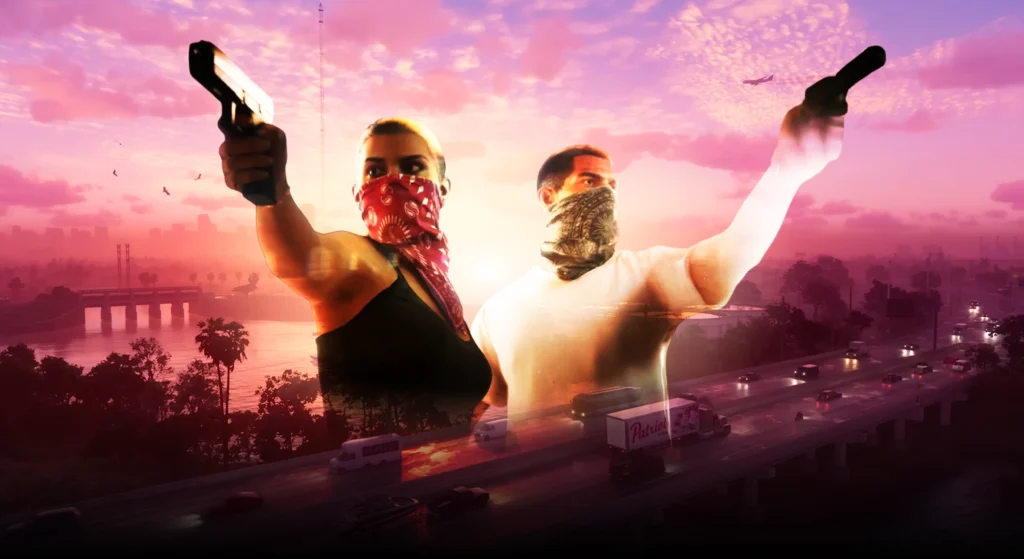
People are still getting excited for new games. Just look at GTA 6! People have been talking about it for years, and that kind of excitement does not happen for something that people have already given up on.
That said, masterpieces are still being made and we’re not just talking about GTA 6. Big releases tend to get a lot of buzz in addition to smaller studios that publish creative games for a fraction of the budget.
What comes next
I still catch myself complaining about modern games sometimes, but there are still plenty of games that make me excited. It is so easy to focus on the bad news yet that doesn’t mean that the good stuff stopped coming. Right now, I am already looking forward to Larian’s upcoming game called Divinity.
The complaints and the compliments usually come from the same audience since you only do that when you care that much about it. It has a lot of people excited about what comes next, for a scene that is supposedly dead!
The moment that game is released, I already knowI am going to spend weeks on it. That’s also a part that doesn’t get mentioned enough. People who are complaining about the gaming industry are checking trailers, discussing upcoming releases and waiting for the next game that truly grabs their attention.
So, is gaming really dead?
I still have those days when I open Steam, look at my library for ten minutes, then close it without playing anything. I still get bored, I am still getting frustrated with some of the decisions game companies make, and I still think there are plenty of things wrong with the industry. But after thinking about it, I do not think those things are proof that gaming died.
Gaming changed, the industry changed, and more importantly, we changed as well. The games that defined us were never going to stay magical forever. Maybe gaming does not feel the same as it used to. For us, it probably never will. Change is inevitable, but it doesn’t have to be the end.
Created by
Edgy and Omar
Date: 29/06/2026