


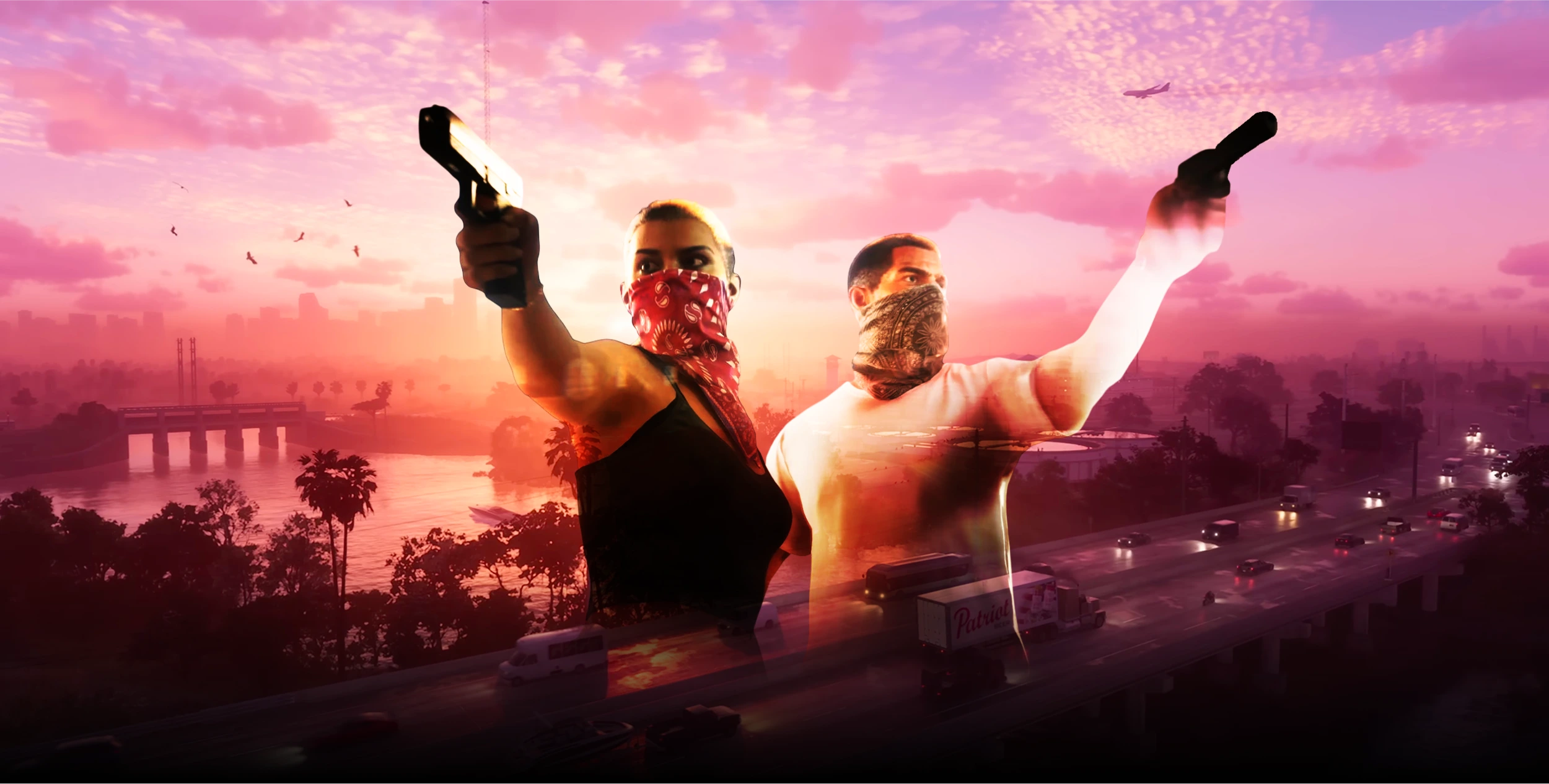
WHAT'S TRULY BEHIND ALL THE EXCITEMENT
FOR GAME LEAKS?

People have this weird habit of getting a bit too excited about seeing something they were not supposed to. Gamers are a prime example. A screenshot of an unannounced game appears online, someone detects a trailer hidden on a server, or a retailer casually lists a game months before its official reveal. All this may be no more
but a few lines of information from a
random and anonymous source.
Still, within a few minutes, the internet has done what it does best: examined it, discussed it, argued over it, and finally
turned it into something much bigger.
For gamers, a leak can feel like getting a sneak peek behind the curtain, and that is exciting in principle. We get something to talk about when nothing else is there to discuss or feel like the first to witness something.
Leaks can confirm rumors that we followed for weeks, reveal something crucial about games we didn’t know were coming out,
or expose a major announcement before
the devs had a chance to do it themselves. Knowing these beforehand can be satisfying,
especially in an industry where expectation and anticipation can be dragged out
for quite a long time.
Technically speaking, a video game leak
is just a piece of data circulating online,
and behind that information may be developers who spent years working
on a project, marketing teams planning meticulously, and publishers building
a whole strategy for how the game
should reach the players.
So are game leaks good or bad? Why do players get excited in the first place? Join us in exploring how game leaks have developed across the years and perhaps remembering what it feels like to discover a game without knowing what is waiting for us.
This all-time favorite had me waiting
for over ten years
Before we jump into the specifics of leaks,
let me tell you about a recent experience of mine. As a longtime fan of the Grand Theft Auto series, there is probably no game I have been more excited about than GTA 6. It has been over a decade since we saw the light
of GTA V, so the waiting was excruciating. And with this, every rumor, every supposed screenshot, and every theory about Vice City has been more than enough to put the community in continuous speculation.
I dare to say that at some point, waiting for this game became almost as much of
a hobby as actually playing other video games, at least for me.
Just a few days before Rockstar was preparing to show more of the game officially, some footage started to
appear online that allegedly showed
actual gameplay.
These were not polished or carefully edited trailers. They were rather random moments you would expect to experience when playing the real game. I will not detail what I saw in case you are one who hates these kinds of spoilers, but just imagine ordinary situations of the protagonist interacting with the typical world of GTA. For me, the first thought was
“I NEED TO SEE IT!”


Must we know it all beforehand?


After waiting for this long, how could I not see these leaks? Even if it was something small, I had to know. And that is when it hit me: leaks do not need to reveal anything huge or spectacular to be exciting.
Somehow, finding out about something ordinary can be even more fascinating because it feels way less like marketing
trying to dramatize a reveal and more like being given a very tiny taste of something that is supposed to be hidden or forbidden.
The question “Was I supposed to see this”? popped into my head right away.
As someone following this franchise closely,
I can tell that Rockstar made players really excited as well as desperate for newer and newer info about the game over the years. When they were ready to show us something more substantial, part of that experience happened without their actual permission, especially since the company addressed
the situation and described the leaked footage as “heartbreaking” for the team.
That statement alone made me feel quite
the opposite of my original excitement.


The unflipped coin side of leaks
As fans, the perspective of a leak is all about finding out more. What is new? Why did it take so long? Is it worth the wait? Give me more details! But seeing Rockstar’s reaction made me think about the other side of the screen: the hundreds of people who spent years creating that game and carefully planning the moment they would show
it to all of us.
That is where I was struggling with my initial approach. As much as I wanted to see and play GTA 6, I realized that the unspoiled
experience may bring something special eventually. It reminded me of when God of War 2018 was released. I did not have a PS4,
and I did my best to save up money for one.
Even with spoilers already circulating around, I stayed away from them as much as I could.
Once I got to play it myself, I must say it was one of the best experiences I had with
a video game. By seeking to know more about GTA 6, I may have ruined myself
from living that one more time.
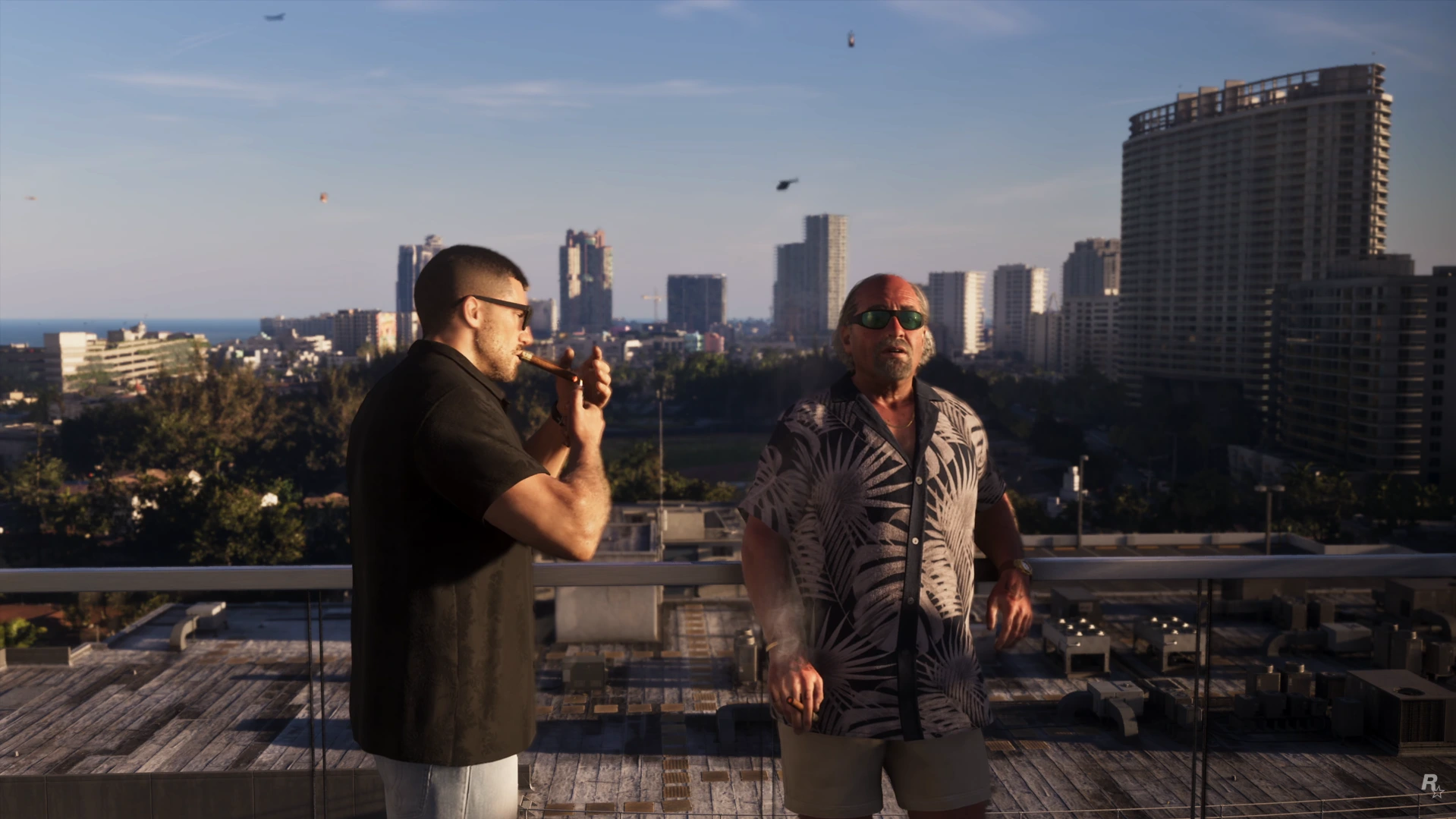
Who wouldn't want it, right?
To be able to hear the latest updates or the new sequel release of your favourite game series early in order to speculate and hype up the moment. What a bliss, right? But I’ll leave a difficult question for our intellectual readers. How do developers really
feel about leaks and do they
reinforce it to an extend?
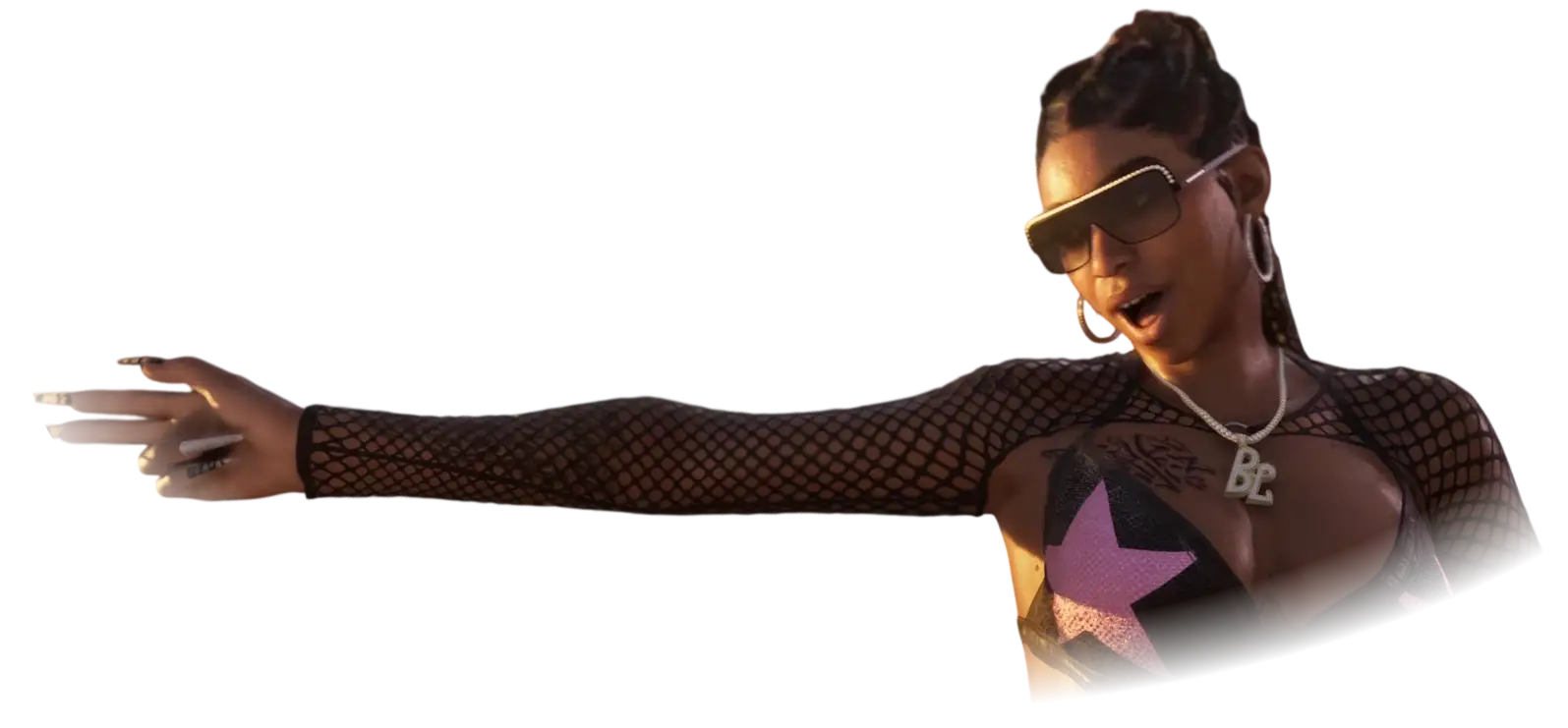
Why video game leaks matter
Going back to the topic, video game leaks are not a new problem. Long before social media were used to spread a screenshot across the world in a matter of seconds, unfinished games and confidential info were finding their way outside of studios. What changed is the scale of it. But today,
a single leak can reach millions of people before a studio has time to process and respond to it.
Let’s take, for example, the case of Half-Life 2. In 2003, Valve suffered a security breach that resulted in an unfinished version of the game.
Part of the source code was stolen and circulated online. This situation was way more serious than somebody who just accidentally saw a sneak peek. That stolen content exposed a big part of the game and its development process, becoming one of the most damaging leaks in the history of gaming.

The urge to reveal the unknown
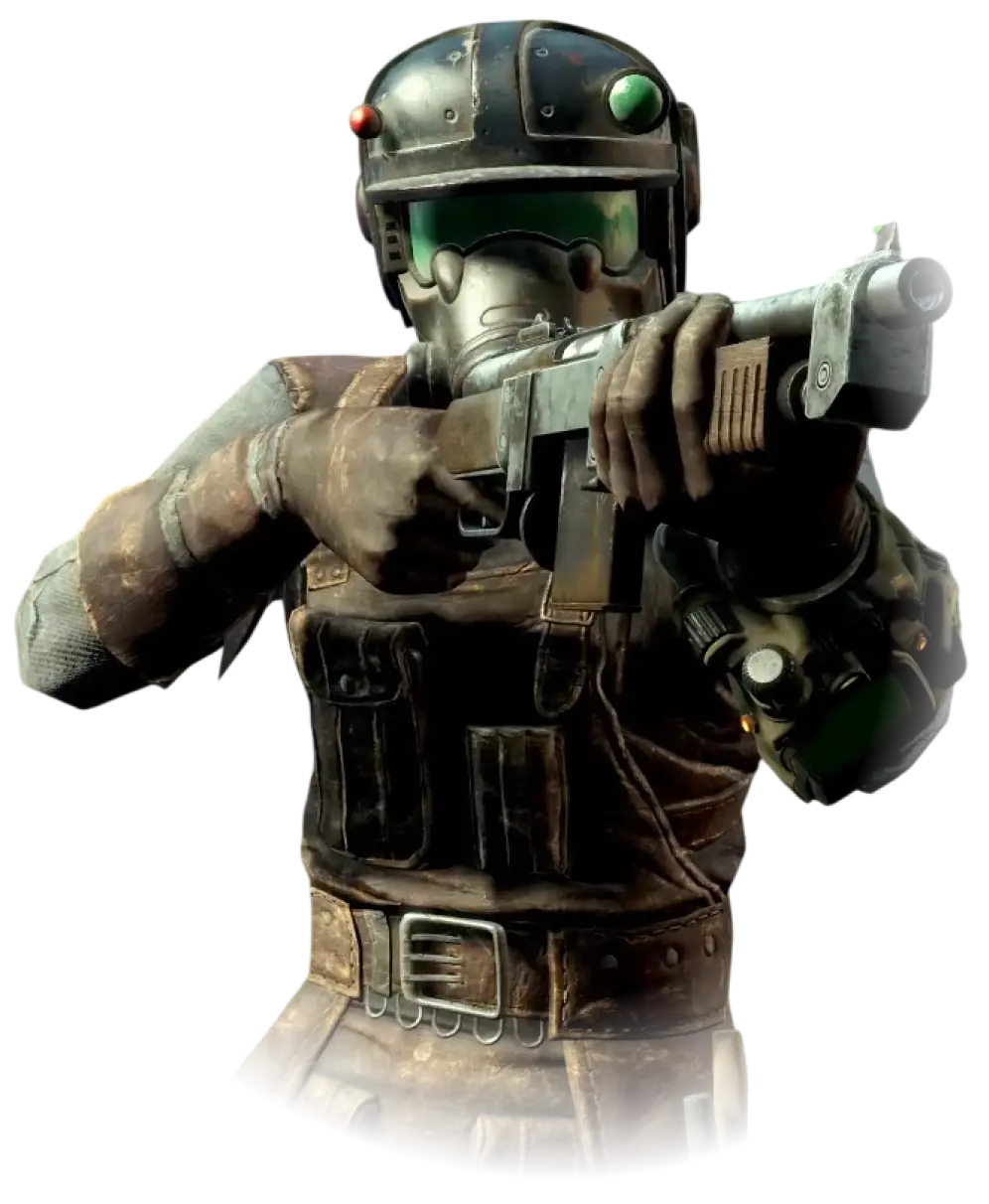
Then you have the other end of spectrum, which we can illustrate with the example of Fallout 4. Bethesda kept the release and overall content of the game unusually quiet before its official announcement at E3 2015.
Rumours were spreading for many years but the devs managed to keep the actual reveal quite hidden until they decided it was ready.
This made the official announcement part of
the excitement. When players saw it, they were not watching a trailer that confirmed some kind of alleged footage they found online. They were discovering the game
at the same time as everyone else.
That level of surprise is really hard to maintain nowadays,
Triple A games involve hundreds, if not thousands of employees, external partners, retailers, and marketing companies who
may be exposed to confidential information.
Think about it: the more people involved,
the more chances there are for something
to sneak out. Sometimes the leak happens deliberately. Sometimes it is an accidental upload or an early retail listing. And other times the leak comes from someone who simply wanted to be the first one to reveal something that they know will stir up the hornet’s nest, AKA the internet.
Speculations vs facts
Another example is The Last of Us Part II,
which showed a different side of this problem. Before the game was released, important story details were leaked online, and this forced a lot of players to do their best to avoid parts of the internet if they wanted to experience the story naturally.
The controversy around those leaks became
part of the online drama about this game too, as people did not wait for the release
to start forming opinions and debates
about it. People simply found themselves
discussing major plot information before they even picked up the game.
And this is where a leak can become
more than just a piece of information.
It became a gate through which
people can approach the game.
Now think about this for a second. A player who finds a leak that reveals a specific part
of the story may spend the rest of the game waiting for it to happen. Someone who sees
an unfinished gameplay system may assume it is what they will get at the end. A rumoured or “leaked confirmed” character may be the center of attention for months.
Once thousands of people start
discussing the same information about certain leaks, it becomes very difficult to separate if it’s all just a speculation or
actual facts. Not to mention the disappointment it creates for some.
The dangers of modern leak culture
It’s fair to say that the internet doesn’t simply take leaks as just as information anymore.
It builds around it. A few screenshots can generate hours of YouTube analysis from multiple different creators. A short clip can produce theories about game mechanics
that haven’t been officially discussed.
One interpretation of a person can become another person’s confirmation. Suddenly an unfinished feature has been given life of its own.
If the leak turns out to be wrong, that is when it gets dangerous. Rumors, fake screenshots,
or even fabricated material can mix in with legit leaks.
Players cannot always differentiate them.
By the time we get an official confirmation that something is fake, that same fake
leaked feature has reached millions of people, creating expectations that will
never be met.

The irony of leaks

We can also see there is an irony here.
The more cloud a leak receives, the more excited leakers get to share or create the next one. Remember that being the first to reveal something huge means thousands
of views, social media followers, and most importantly attention from a community
that desperately wants more information. Leaks have then become part of the game’s ecosystem and stop being isolated events.
Are gamers encouraging leaks?
Finally, this brings us back to the players’ perspective. Whether we are exposed to a leak by accident, or we willingly go searching for it, we think we are only satisfying our own curiosity. But every click made on that leak starts defining what kind of information spreads and what the gaming community chooses to reward.
Ultimately, leaks have become part of gaming culture as technology has made it easier for information to escape. But our hunger for that information is what makes it spread so easily. If the community has become part of the engine that turns leaks into major events, the next question becomes much harder to answer:
“Are gamers simply consuming leaks, or have we created a culture that proactively encourages them?”
SOME THINGS ARE BEST LEFT UNSEEN
After researching this topic, I came to a sort of strange conclusion: video game leaks reveal something about us as much as
they reveal something about games themselves. We want to be surprised,
and we want to be excited, but we also
want to find out more and more.
We complain when a publisher or developer shows too much about their game, yet when something gets leaked by other sources,
we cannot overlook it. We may spend
months debating a single piece of leaked information, and then we question why
the official reveal didn’t feel as exciting as
it should. Ironic, isn’t it?
This doesn’t mean every leak can be harmful, or that players should stop being curious.
We established that leaks are part of gaming culture now, and in the days we live in they
are almost impossible to contain. But maybe we could be a little more conscious of what we are looking for when we click on one of them, for the devs’ sake and ours.
Sometimes the most exciting thing about
a game is knowing almost nothing about it.
At the end of the day, an announced game will arrive, and when that happens none of the leaks will matter as much as the actual experience we get to live when playing that game. And maybe that is the part that’s truly
worth protecting.

Created by
Bambi and Myra